
 October 2026 | Aaron Weintraub
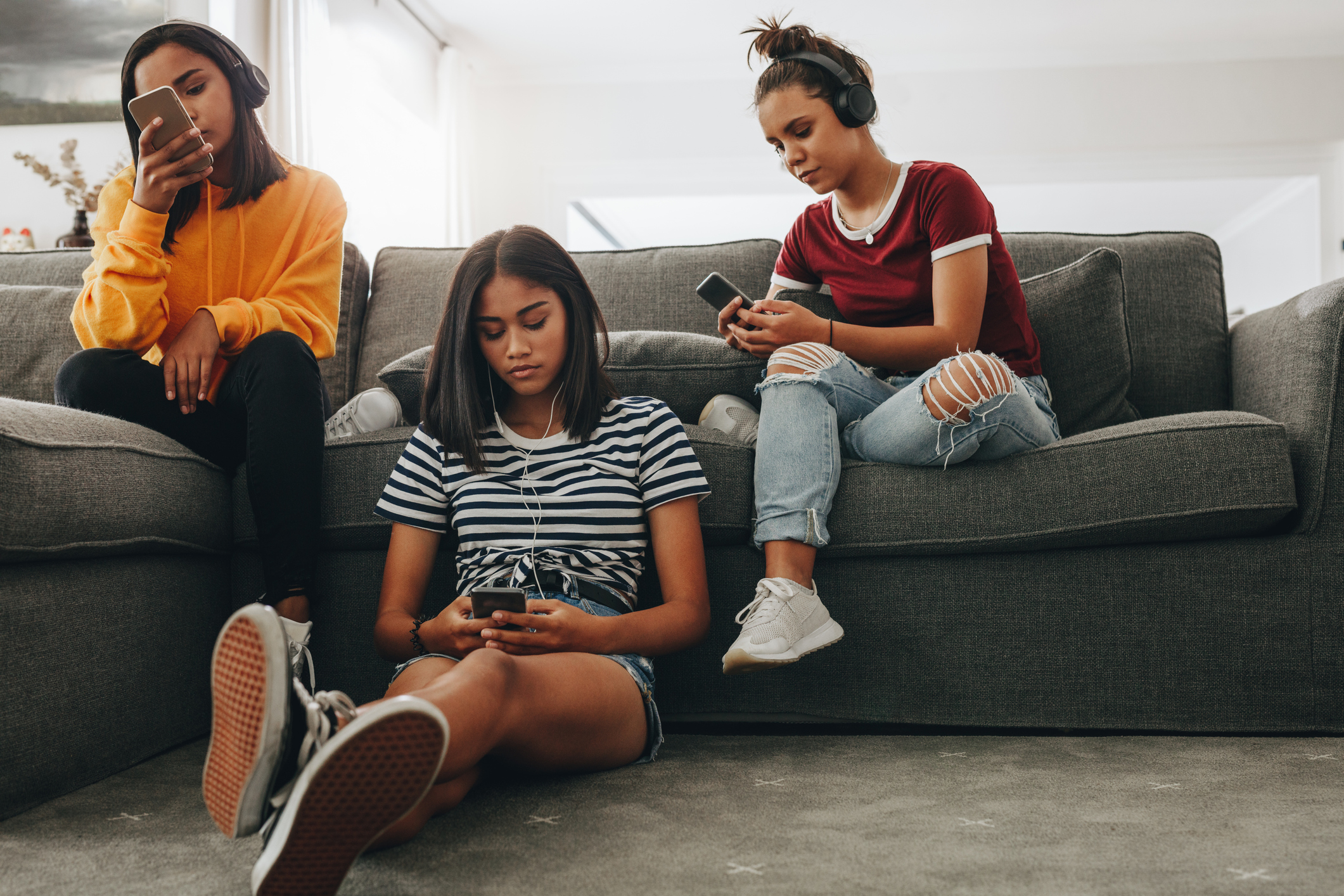
Teens are pouring their hearts out to software. It happens on Snapchat. It happens on Character.ai. Every day, millions of kids trade secrets, fears, and late-night anxieties with synthetic personas. To an exhausted parent, it looks like a digital diary or just another screen habit. But it’s not. This is a synthetic bond, and it directly alters how young people learn to handle real relationships.
What we know about child development explains this through what we refer to as attachment hunger. We are born with a non-negotiable biological need for relationship. A child needs to feel seen, accepted, and held by mature adults who care for them. But human relationships are messy. Reaching out to a classmate or a parent requires emotional exposure. You risk getting ignored, mocked, or misunderstood. Real intimacy is clunky, unpredictable work.
A chatbot never rolls its eyes. It never has a headache, it never misinterprets a tone of voice, and it never demands anything in return. The software mirrors whatever the child feeds it, remaining endlessly compliant at two in the morning. It feels like safety. In reality, it is just an echo.
Real maturity requires bumping into a hard limit you cannot change. You want a friend to act differently, but they will not. You want a parent to say yes, but the answer stays no. That wall stings. Yet a child has to hit that wall, feel the disappointment, shed the necessary tears, and realize they survived the letdown. That is how human adaptation works.
An algorithm erases the wall. When a device absorbs every private thought without ever pushing back or requiring compromise, the young person stops learning how to handle social friction. They lose their appetite for actual peers. Why risk rejection at school when an obedient program sits right in your pocket? Pulling them back requires practical friction of our own.
Connect before you direct. Collect your child before attempting to manage them. Walk into their room. Say hello. Hand them a snack. Sit on the edge of the bed for two minutes without bringing up missing assignments, household chores, or screen time. Just look at them with genuine warmth. If their connection tank is empty at home, they will look for cheap substitutes online.
Let them fall apart around you. This is difficult. When your teen gets cut from a sports roster, bombs a test, or gets dropped by their friends, do not jump in to fix it. Do not tell them things happen for a reason. Sit down, keep quiet, and let them be miserable. They need to see that heavy grief and sharp frustration will not push you away or break the relationship. If you panic or try to talk them out of their pain, they learn that big emotions are too dangerous for people. Then they go back to the bot.
Be blunt about the technology. Talk straight about what is happening on that screen. Tell them: “That bot does not care about you. It is a set of commercial algorithms engineered to hold your attention. Real friendships involve misunderstandings, silence, and making amends. If you only practice talking to something programmed to agree with you, you will not know how to love a real human being.”
Take the apps off the phone if you must. You are the parent. You do not need their permission to build a protective wall around their development. If you delete Character.ai or restrict companion access, do it calmly rather than out of frustration. Make it clear that your job is to protect their emotional life, even when they disagree with the decision.
Kids do not lean on chatbots because machines are better company. They do it because machines feel safe from harm. The only real answer to a synthetic connection is a parent who stays steady, accepts the struggle, and remains in the room.
Breaking the screen time cycle doesn’t happen overnight. It’s messy. But if you lead with empathy, stay calm when the feelings get big, and prioritize your bond over the battle, you’ll find your way through. You’ve got this.
Click here to follow our 52 weeks of tips and tools to Break the Cycle in 2026.
Teens are pouring their hearts out to software. It happens on Snapchat. It happens on Character.ai. Every day, millions of kids trade secrets, fears, and late-n...
October 30 , 2026
If you take a phone away from a kid and give them nothing back, you get a fight. Most of us have learned this the hard way. We get tired of glowing screens duri...
October 19 , 2026
It's 10:30 PM. The house is finally quiet, the kitchen is clean enough, and you are dead tired. You should go to sleep. Instead, you sit on the couch and stare...
October 19 , 2026
More schools are asking kids to put their phones away from the first bell to the last, and we at Peace At Home understand why that stirs up mixed feelings. You'...
October 05 , 2026
Your almost-eighteen-year-old is still negotiating over screen time the same way they did in middle school: same eye roll, same "just five more minutes," same s...
September 22 , 2026
You've said it to your kid a hundred times: "Okay, five more minutes." You've said it to yourself, too, right before your phone somehow ate half an hour you did...
August 26 , 2026