

 November 2026 | Ruth Freeman
The midterm elections are behind us, but for many families the conversation is just getting started. Kids hear far more than we realize: a political ad between YouTube videos, a classmate repeating something said at their dinner table, the tone in a grown-up’s voice while the news is on. They’re trying to make sense of all of it, and they look to us to help.
Adults are feeling it too. In the American Psychological Association’s 2024 Stress in America survey, 69% of adults said the presidential election was a significant source of stress, and 77% said the same about the future of the nation. That last number was nearly identical for Republicans, Democrats, and independents. Political stress doesn’t belong to one side, and our kids feel it no matter how our family votes.
The hopeful news is that this is a moment parents can use. Children learn to handle big feelings and big disagreements by watching the adults closest to them. At Peace at Home, we encourage parents to be their child’s calm center, the steady place a child comes back to when the world feels loud.
Start with what elections actually do
School-age kids do best with simple, concrete explanations. You might say something like:
“An election is how people in our country choose who will make decisions for everyone. Those decisions include things like how schools get money, how roads get fixed, and what the rules are. Every grown-up citizen gets a vote, and every vote counts the same.”
For midterms, you can add that this election wasn’t about the president. People voted for members of Congress, who write the country’s laws, and often for governors, mayors, school board members, and other local leaders whose choices shape our everyday life.
Then you may want to share why elections matter. They’re how a country of very different people takes turns, shares power, and settles disagreements peacefully. If someone’s choice doesn’t win this time, they can keep speaking up and try again next time. For younger kids, comparing it to a class vote on a field trip works well. Tweens and teens are ready for more, like why some races are close, how ballots get counted, or why people care so deeply about particular issues.
Share your own view as a value, not a verdict
Kids want to know what you think, and it’s healthy to tell them. What matters is how you share it. Braver Angels, a national organization that teaches Americans to talk across political divides, encourages people to use “I” statements and to share the personal experience behind a view instead of presenting it as the only truth.
At home, that might sound like: “I care a lot about how our schools are doing, because I remember how much one great teacher meant to me. That’s one reason I voted the way I did.” Or: “Voting matters to me because Grandma couldn’t always count on having her voice heard, and I never want to take mine for granted.”
This teaches your child what your family values. It also leaves room for them to grow into their own thinking. Try to avoid describing people who voted differently as bad, stupid, or dangerous. Your child’s best friend’s parents may be among them, and kids hear those labels as being about people they love.
Find out what they’ve already heard
Before you explain or correct anything, get curious. Ask about what your child already knows and their point of view how without assuming you already know. Some easy openers:
Then listen more than you talk. Kids often pick up half-truths, scary rumors, or strong opinions repeated word for word from someone else. If you jump straight to correcting, they may stop telling you things. If you listen first, you’ll find out what’s really on their mind.
Borrow a listening tool from Braver Angels
Braver Angels teaches a simple four-step skill called LAPP, designed for conversations with someone who sees things differently. It translates beautifully to parenting:
Listen. Set aside the urge to respond. Pay attention to the feelings and concerns underneath what your child is saying, not only the words.
Acknowledge. Reflect back what you heard in your own words: “It sounds like it really bothered you when Maya said that.” Your child feels understood before anything else happens.
Pivot. Ask permission to add something: “Can I share another way of looking at it?” If your child isn’t ready, go back to listening.
Perspective. Offer your view gently, with an “I” statement and, where you can, something you agree with: “I think Maya’s family cares about our town too, even if they voted differently than we did.”
Braver Angels also asks participants to let go of the goal of winning or persuading. That’s a gift to kids. When they say something you disagree with, often borrowed from a friend, the goal isn’t to win the argument or get your child to believe the “right” thing. It’s to keep them talking to you.
You can teach these same skills to your child for their own friendships. A child who can say “We see it differently, and that’s OK. We’re still friends” has learned something many adults are still working on.
Help them feel safe
Election messages are designed to grab attention, and many rely on fear. A child who hears “this will destroy our country” in an ad, or an angry comment on a parent’s phone, may take it literally. Here’s what helps:
Name the feeling and normalize it. “It makes sense that this feels scary. Lots of people have big feelings about elections.”
Focus on what stays steady. Remind your child that their daily life, their school, their family, and the adults who take care of them are still here. Many people work hard to keep elections fair and to keep communities running, no matter who wins.
Be honest without overpromising. You can’t promise every outcome will go the way your family hoped. You can promise that you’ll be there to talk about whatever happens.
Watch the media diet, including your own. A challenge for all of us is to model healthy habits, such as not checking the news or social media over and over, because constant updates keep everyone’s emotions running high. Turning off the TV during meals says a lot.
Notice lasting changes. Most kids’ worries settle with time and connection. If your child’s sleep, appetite, or mood shifts for more than a couple of weeks, or worry starts getting in the way of school or friendships, it’s worth checking in with your pediatrician or school counselor.
Why your connection is the real protection
Research has found that the most common factor among children who develop resilience is at least one stable, committed relationship with a supportive parent or caregiver. That’s you. You don’t need perfect words about politics. What helps most is a parent who stays calm, listens, and keeps the door open.
Elections will come and go throughout your child’s life. Each one gives you a chance to show them what it looks like to care deeply about something, disagree with respect, and still treat people across the divide as neighbors. Children who learn that at home are the citizens, friends, and leaders our communities will need. That’s a future worth being hopeful about.
Looking for More Support?
Questions? Email us at solutions@peaceathomeparenting.com

And now for the shameless plug…Don’t have a Peace at Home Parenting Portal? Let’s fix that.
Ask your company, school, or favorite neighborhood group to join us. Learn more about Peace at Home Parenting Solutions. We have programs for Corporations, K-12 Schools, and Family Service Organizations.
Peace at Home brings calm and joy to the chaos of parenting. You can also join as an individual or family.
The midterm elections are behind us, but for many families the conversation is just getting started. Kids hear far more than we realize: a political ad between...
November 05 , 2026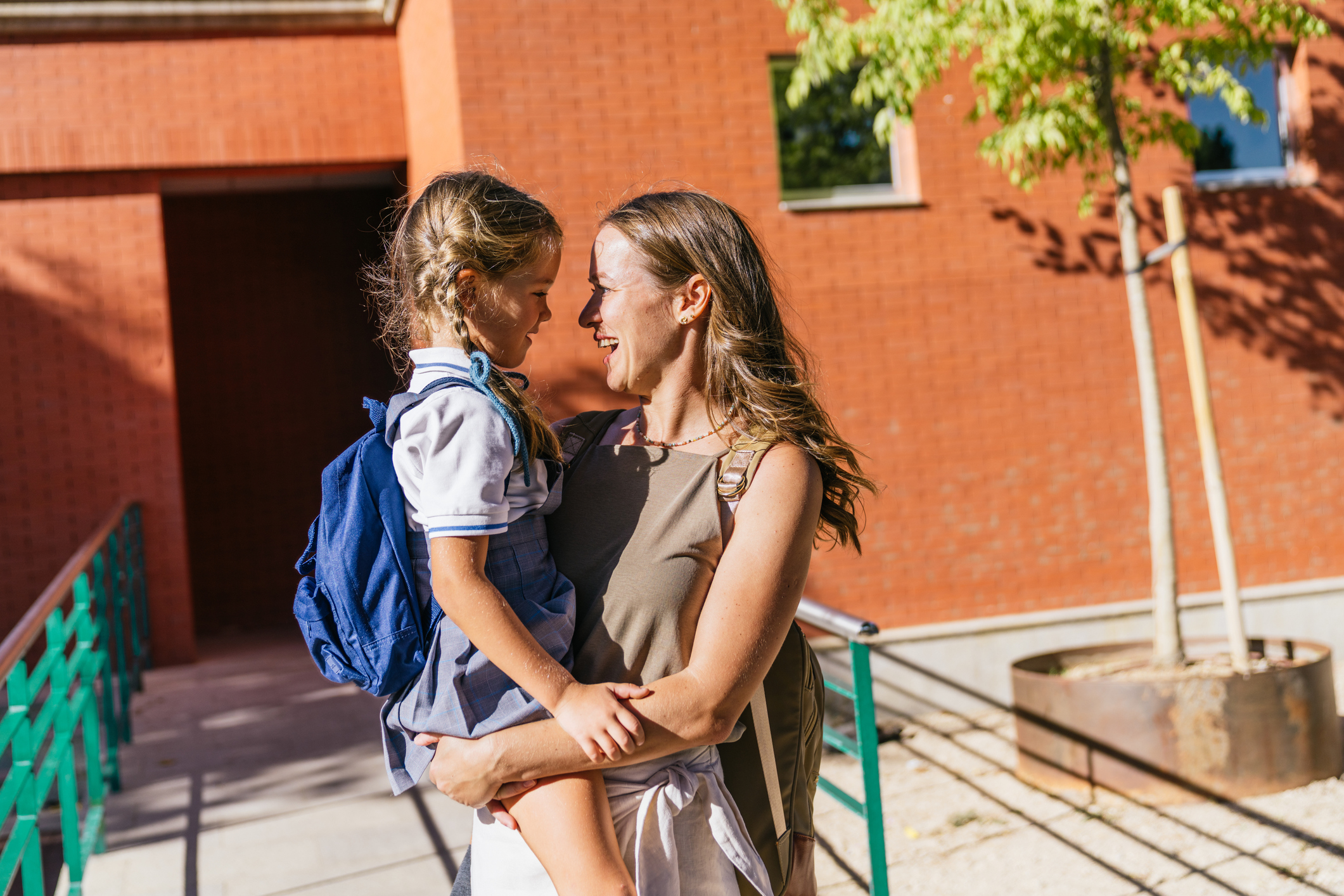
When work, errands, and making dinner burn through the last of your energy, it's easy to look at the clock at night and feel like you only gave your kids whatev...
October 30 , 2026
Physician and author Rachel Naomi Remen spent decades working with people in crisis, and she noticed something counterintuitive about why caregivers burn out. I...
October 25 , 2026
Parenting a child with complex behavioral, developmental, or mental health needs shifts everyday life. While typical parenting advice focuses on milestones and...
October 25 , 2026
By late September, the school year has stopped being new and started being relentless. Homework, practice, a club meeting, dinner squeezed in somewhere, and som...
September 22 , 2026
If you’ve noticed your pre-teen starting to roll their eyes when you offer advice, or insisting they can handle something completely on their own, take a deep b...
September 22 , 2026