Blending Traditions: 5 Steps to a Peaceful Holiday with Your Blended Family

Blending Traditions: 5 Steps to a Peaceful Holiday with Your Blended Family

Peace at Home November 2017 | Ruth Freeman

With the holiday season approaching, stress tends to be at an all-time high. Handling this stress alone can be difficult enough. But when you add the new dynamics of your blended family, the holidays can seem downright impossible. By Brynn Rosadino.

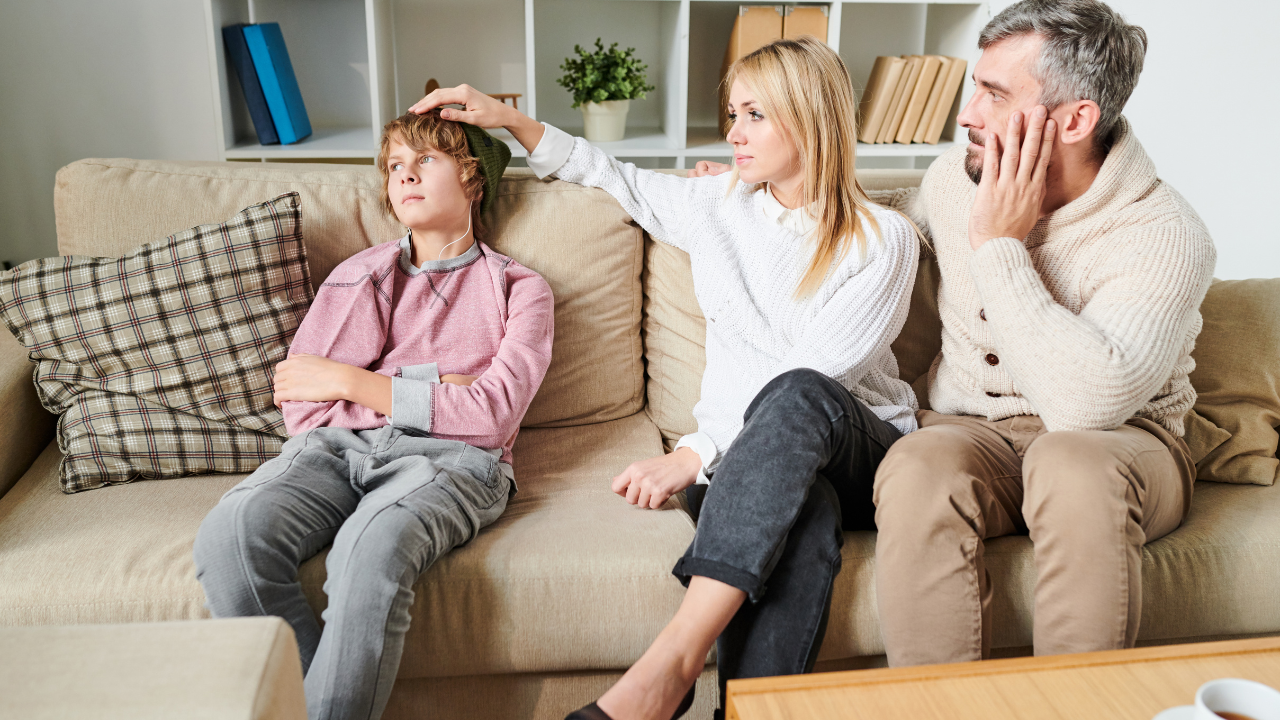
In a blended family, there are two sets of family traditions, which are equally important, but often competing to be dominant. It will help to acknowledge and welcome both sets, while allowing new traditions to emerge. Blended families encounter challenges that traditional families do not. Developing strategies to face these challenges is key in creating meaningful holidays.

Here are 5 ideas to help you de-stress and enjoy the holidays with your blended family:

  • Be Inclusive
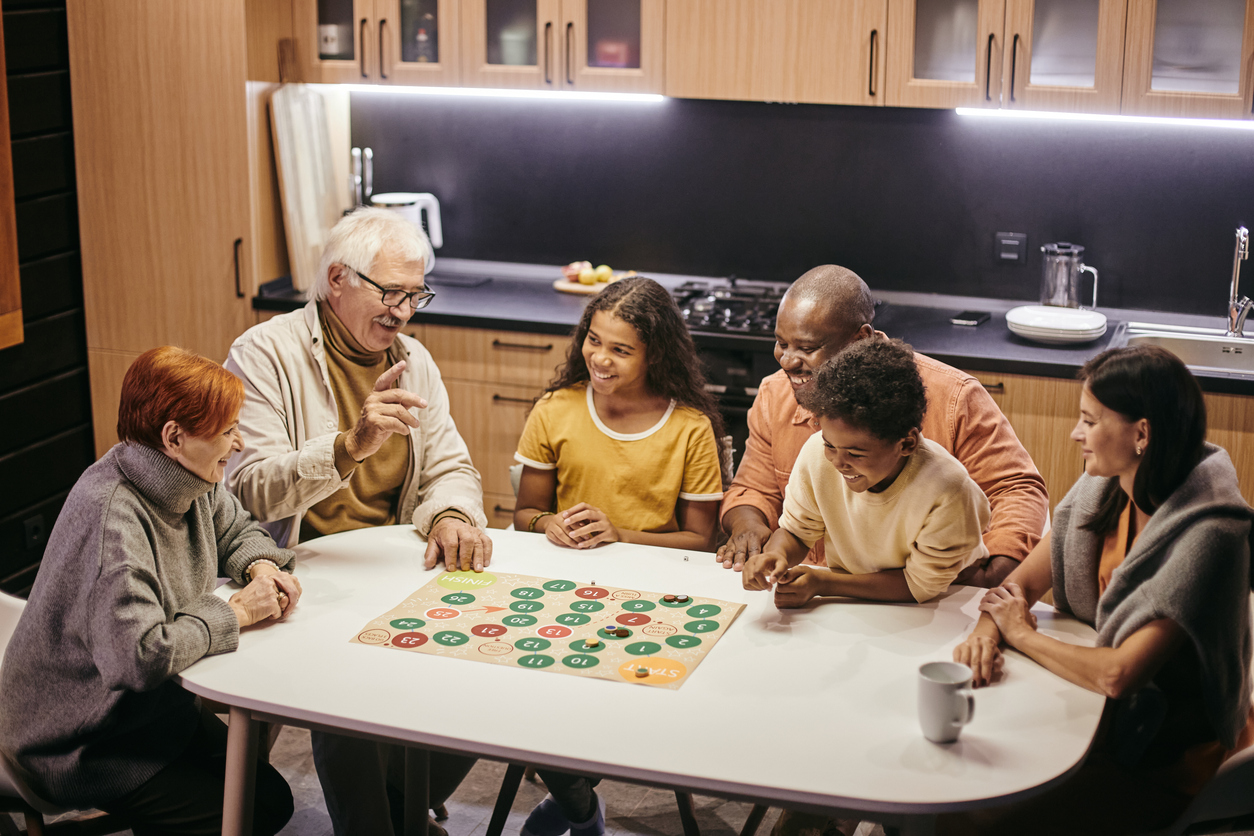

    Start by asking all family members to express their thoughts and hopes for the holidays. This might be a group email or discussion at a family gathering. Develop plans that reflect the group’s preferences. Invite all family members to join activities, and make plans involving everyone. Having people of all different ages engage with one another creates a sense of togetherness. And mixed generations are enriching to your kids!
  • Plan Ahead
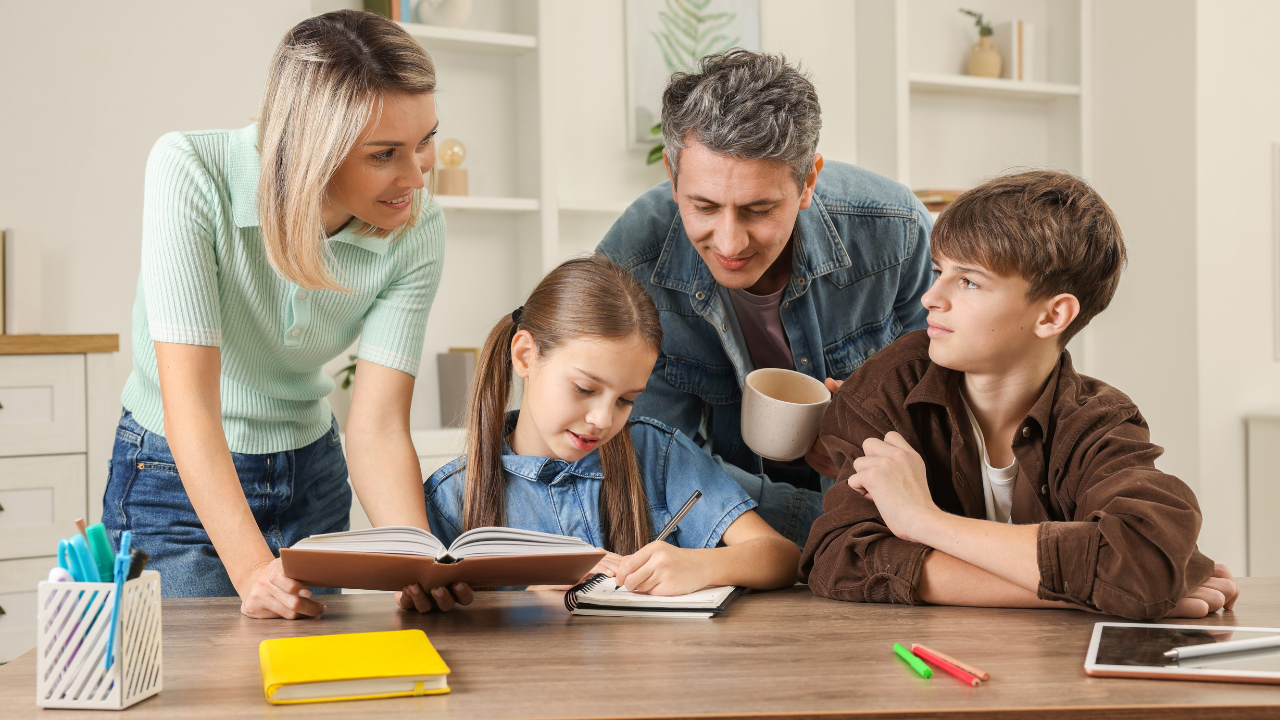
    As a family, make a calendar of holiday activities and events. This gives everyone in the family a chance to voice what is important to them and collaborate on what new traditions they want to create. Children will be less stressed overall, knowing what to expect along the way. Be sure to include the kids in your planning process. Asking children what holiday activities are most important to them often surprises parents. And children have great ideas about new family traditions.
  • Be Flexible
    As important as creating a plan is, remaining flexible when things don’t go as expected is just as crucial in a truly happy holiday. In a blended family, certain members may not want to do things your way and that’s okay. Be open to new ideas! Modeling flexibility will help your children to become flexible, too.
  • Prepare for Tension
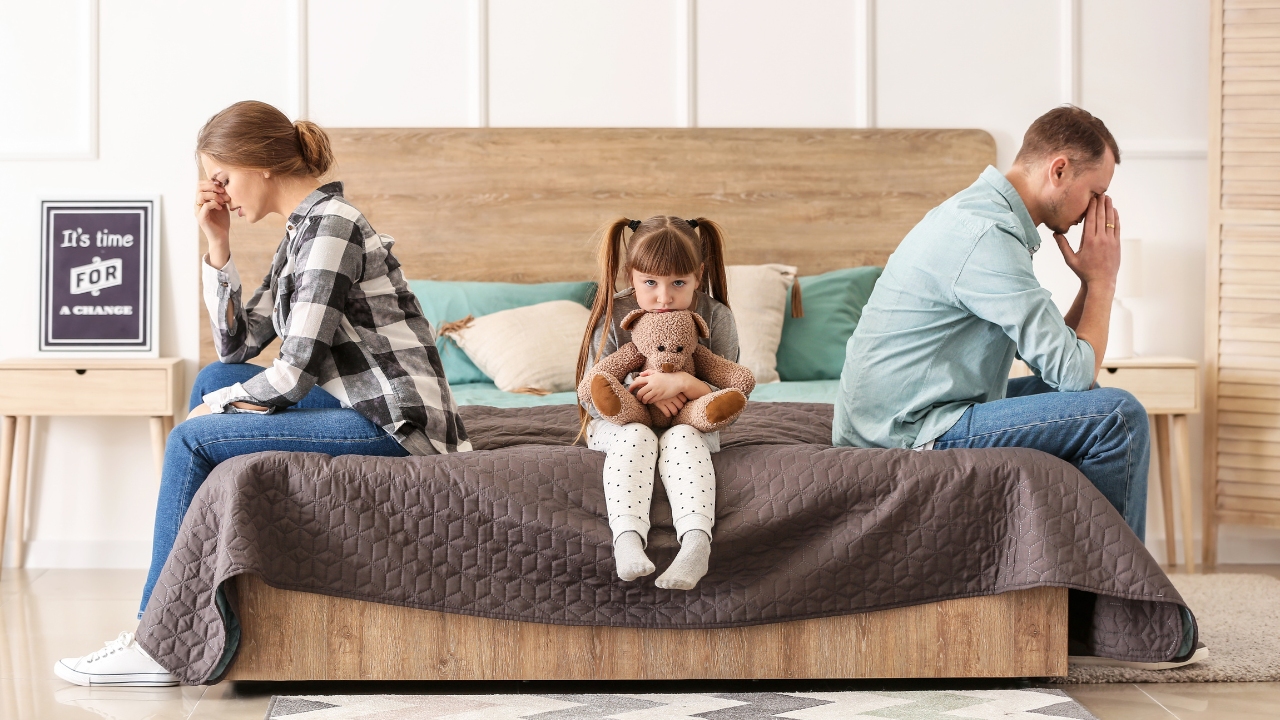
    Remember to expect and support all expressions of emotion. Children may express feelings of sadness or anger, which can be hurtful to you. Take a deep breath, acknowledge their feelings, and listen if they want to talk. Ignoring, punishing or trying to change your children’s emotions may cause them to escalate. Recognize the difference between not liking how your child is expressing an emotion and the nature of the emotion itself. If your 4-year-old is throwing toys across the room, you certainly want to help them change their mode of expression. But remember to support the anger itself. Perhaps say, “Looks like you are feeling really frustrated right now.” Help the child calm down and invite them to tell you about what they are feeling.
  • Take Care of Yourself!
    Your hopes and dreams of creating a happy holiday for your kids can make it easy to forget your own personal needs. Make sure to make time for yourself. If you have to, schedule “me-time” into the holiday calendar. Keep up your exercise routine (or get one started), eat healthy energizing food, and keep up good sleep and hygiene. Your presence, connection and ability to have fun with your kids is what they really want. Self-care is essential for being there for them in the ways that count.

Looking for More Support?

Questions? Email us at solutions@peaceathomeparenting.com

And now for the shameless plug…
Don’t have a Peace at Home Parenting Portal? Let’s fix that. Ask your company, school, or favorite neighborhood group to join us. We’ve got CorporateK-12 School, and Family Service programs that bring calm to the chaos—no yoga mat required. Click here to join as an individual or family.
TOPICS

Related Posts

Peace at Home

Guiding Your Daughter Through the Storm: Being Her

We are trying to guide our daughters through a complicated world, and sometimes it feels like the ground is constantly shifting beneath our feet. If you’ve been...

Peace at HomeFebruary 06 , 2026
Peace at Home

Stop Keeping Score: How to Move From Resentment

We often hear that parenting is the most beautiful, exhausting job in the world. But let’s be honest about the "exhausting" part for a moment. When you’re in th...

Peace at HomeFebruary 01 , 2026
Peace at Home

Screen Time Tips: Why Screen Time Battles Happen

If you’re searching for screen time tips on how to reduce screen time for kids without conflict, you’re not alone. Many parents tell us the hardest part isn’t j...

Peace at HomeJanuary 26 , 2026
Peace at Home

7 Expert Tips for Better Sleep for Families

Bedtime shouldn’t feel like a nightly power struggle. Yet for many families, evenings are filled with stalling, tears, worries, and repeated wake-ups that leave...

Peace at HomeJanuary 14 , 2026
Peace at Home

Dopamine Loop vs Happiness: How to Calm Screen-Time

Screen-time meltdowns aren’t just 'bad behavior'—they are often driven by a powerful and addictive dopamine loop cycle. Curious? In a dopamine loop, your child’...

Peace at HomeJanuary 12 , 2026
Peace at Home

Positive Routines for Toddlers: Eat, Play, and Sleep

You are your child’s first teacher. This is why establishing positive routines for your toddler is crucial. Together you and your child will learn what is neede...

Peace at HomeJanuary 07 , 2026

Join our mailing lists for more parenting tips