

 January 2026 | Ruth Freeman, Aaron Weintraub, Kathleen Harkins Weissenberger
Is it possible to break the screen cycle and regain control and peace at home? Yes, it is! If you feel your family’s stuck in a dopamine loop and you want peace at home again, then read on!
Peace at Home Parenting Solutions helps families break the screen-time cycle with evidence-based parenting support. We teach practical, science-informed tools that reduce screen-time meltdowns, strengthen connection, and build calm routines—so parents feel steady, children feel safe, and home feels like home again.
If your home feels like a daily fight over screens, you’re not failing. You’re facing a modern reality that is overwhelming families everywhere—between the quick “hit” of a screen and the deeper satisfaction of real connection.
Phones and digital platforms are designed to hook all our brains. Endless scrolling is reshaping childhood and family life faster than anyone can keep up with. Social media comparison steals joy, distorts self-perception, and fuels anxiety and perfectionism.
Habit-forming screen cycles can rob families of precious time to truly connect. As such, important life skills like conversation, problem-solving, and resilience can weaken when screens become the default or when screen addiction occurs in families.
But there is a way through.
It starts with a truth we teach again and again because neuroscience backs it up: you are the most powerful source of healing and strength your child will ever have, not by being perfect, but by being present, supported, and steady.
This isn’t just a comforting idea. It’s how human beings are wired. Your child’s ability to manage big feelings, recover from challenges, and feel good about themselves is built inside the safety of their relationship with you. Without a clear roadmap and support, parents often feel burned out, guilty, and frustrated, right when their children need a calm guide the most.
2026 is the year we change that story.
Inspired by The Anxious Generation and ongoing research, we are naming the challenge clearly: breaking the cycle and reclaiming calm, connection, and control from the screen.
The screen cycle usually isn’t just “too much screen time.” It’s a repeated pattern: screens become the fastest way to calm, distract, or cope—and then turning screens off triggers conflict, emotions spike, and everyone feels defeated. Over time, families can start organizing the whole day around avoiding meltdowns instead of building connection.
Many working parents are carrying heavy stress right now. One Ohio State University report found that 66% of working parents are experiencing burnout, which can show up as anxiety, depression, irritability, and disconnection at home—so if this feels hard, you’re not alone. (Source: Ohio State University)
The American Academy of Pediatrics (AAP) describes the dopamine loop as what happens when something fun (like gaming or scrolling) boosts dopamine—then dopamine drops when the activity stops. That “drop” can make kids feel grouchy, resentful, or explosive, especially if the transition is sudden.
This is what you might see when screens turn off:
This doesn’t mean your child is “bad.” It means the transition is hard—and it’s teachable with predictable boundaries and connection.
Too often, we treat a child’s struggles—anxiety, withdrawal, or big behaviors—as if they exist in isolation. In reality, these challenges affect the entire family system. That’s why parenting support for mental health matters so deeply.
Parents need reliable, compassionate guidance to become the sturdy, loving anchor their child is looking for. Peace at Home supports overwhelmed parents by teaching emotional regulation, consistent communication, clear boundary setting, and how to know who owns the problem. Parents learn how to be a calm center, even during stressful moments.
In addition, research shows that when parents receive evidence-based parenting tools, parenting stress decreases, emotional regulation improves, family conflict goes down, and confidence grows.
We often say: put your oxygen mask on first. Parents tell us these shifts change the entire feel of their home. “I see things differently now. I feel more confident, and my home feels calmer.”
Evaluations from the University of Connecticut confirm what parents share. Even a single session can help parents feel calmer, clearer, and more capable of supporting their child. (learn more here)
The solution isn’t guilt or harsher punishment. Digital wellness for families is built through connection, calm, and clear boundaries. Children don’t need perfect parents. They need present ones—parents who can stay grounded when things get hard.
The strategies we teach at Peace at Home are not just “nice ideas.” They are practical tools that help families build connections stronger than the pull of a screen.
Here’s what that looks like in everyday life:
Parenting challenges don’t happen on a schedule, and most parents don’t have hours to search for advice. As such, Peace at Home’s expert parenting resources are designed to meet you where you are—whether you have five minutes or an hour.
Your resources include:
This isn’t about adding one more thing to your to-do list. It’s about having the right tool at the right moment.
This year, Peace at Home is creating a new lifeline for families—one that helps parents look beyond behavior and understand what’s happening beneath the surface.
We will help parents:
This is the journey Peace at Home invites you to join in 2026. We know this truth: when parents are supported, children thrive. And when children thrive, the future changes. Supporting parents is the key to children’s well-being, right now.
What is the dopamine loop?
The AAP describes it as the brain’s “reward” pattern: dopamine rises during fun screen activities, then drops when the activity stops—making kids more irritable and reactive during transitions.
Why do screen-time meltdowns happen when screens turn off?
For many kids, it’s the combination of a dopamine drop plus a hard transition—especially when they’re tired, hungry, or already dysregulated.
How do I reduce screen time without tantrums?
Start with predictability: clear routines, a transition warning, and a consistent next step (snack, outside time, connection time). Reduce conflict by building connection before you enforce the boundary.
How much screen time is too much?
The AAP notes there isn’t enough evidence for one “safe” hour limit for every child; focus on quality, boundaries, and sleep, and watch for impacts on mood, school, and relationships.
When should I get extra support?
If meltdowns are intense, frequent, escalating, or impacting sleep/school/mood, consider talking with a pediatrician and/or a parenting professional for guidance tailored to your child.
Learn more now through these resources:
Peace at Home partners with employers, schools, and family service organizations to make parenting support available to parents and caregivers.
So, if you’re a parent and would like access, share Peace at Home with your HR/Benefits team, manager, or your company’s parent ERG and ask if they can bring it in as part of your employee benefits support.
We’re ready to help. Each week, we’ll share a tip, tool, or insight to help your family thrive—one small, science-backed step at a time. From newborns to young adults, you are not alone.
You are the key to your child’s well-being. We’re here to support you. Together, we can rewrite the story for the next generation.
Questions? Reach out to Solutions@peaceathomeparenting.com or follow Peace at Home on LinkedIn for weekly tips and updates.
Don’t have a Peace at Home Parenting Portal? Let’s fix that. Learn more about Peace at Home Parenting Solutions and ask your company, school, or favorite neighborhood group to join us. We have subscriptions for Corporations, K-12 Schools, and Family Service Organizations, and we work passionately to bring calm to parenting chaos.
You can also join as an individual or family. Talk to our team today!

If you’re searching for how to reduce screen time for kids without conflict, you’re not alone. Many parents tell us the hardest part isn’t just setting limits —...
January 26 , 2026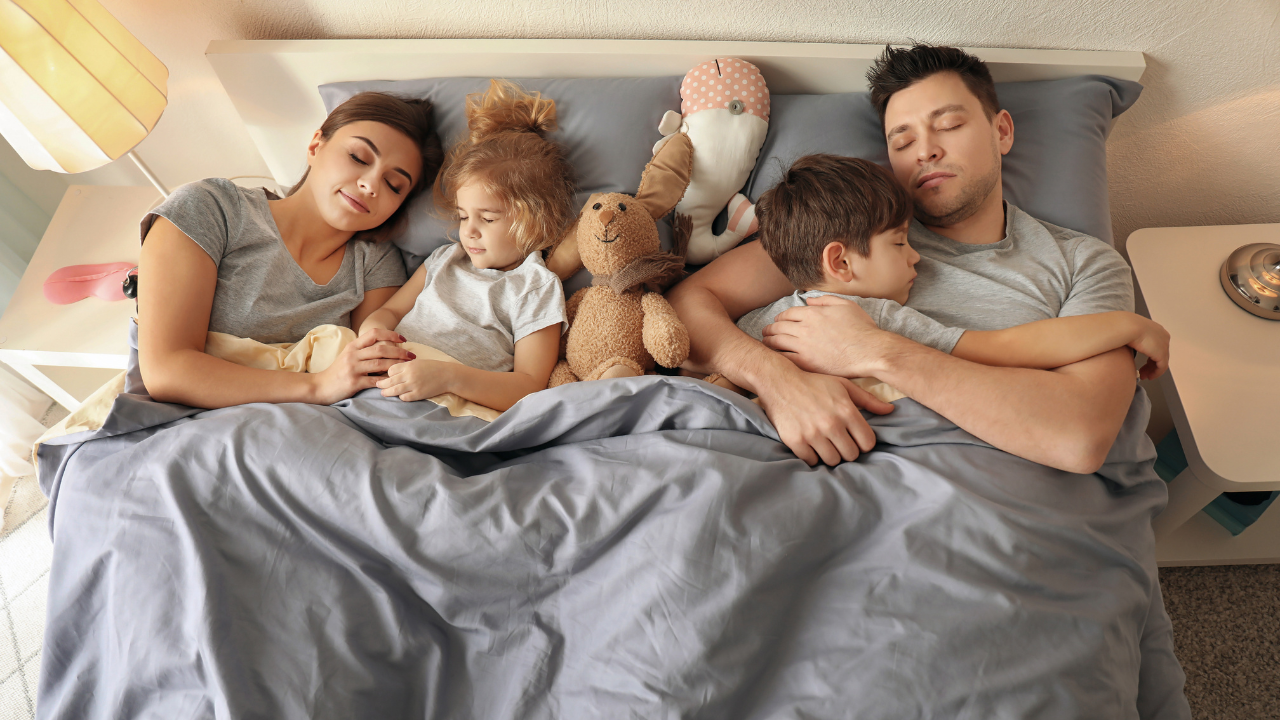
Bedtime shouldn’t feel like a nightly power struggle. Yet for many families, evenings are filled with stalling, tears, worries, and repeated wake-ups that leave...
January 14 , 2026
Screen-time meltdowns aren’t just 'bad behavior'—they are often driven by a powerful and addictive dopamine loop cycle. Curious? In a dopamine loop, your child’...
January 12 , 2026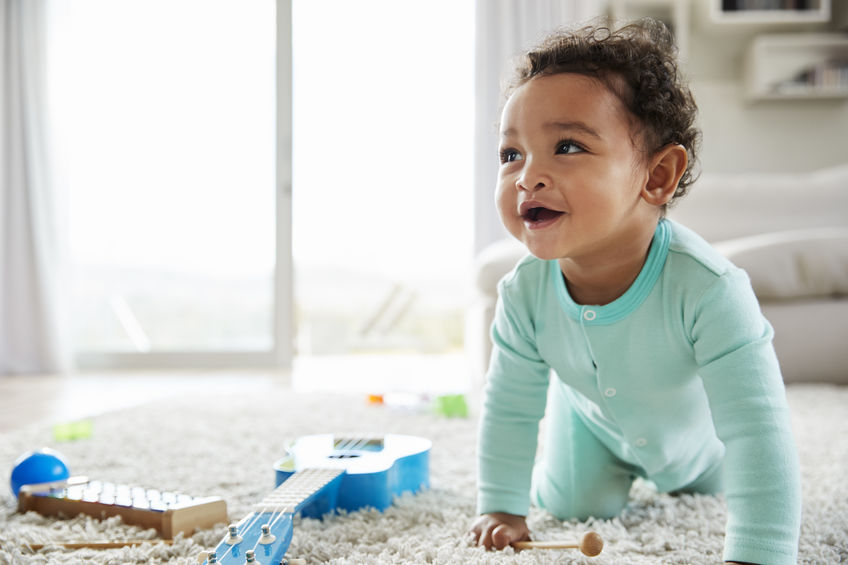
You are your child’s first teacher. This is why establishing positive routines for your toddler is crucial. Together you and your child will learn what is neede...
January 07 , 2026
Dr. Martin Luther King Jr.’s values—nonviolence, empathy, courage, and service—can be taught to our kids through everyday parenting. This guide turns MLK’s big...
January 06 , 2026
Is it possible to break the screen cycle and regain control and peace at home? Yes, it is! If you feel your family's stuck in a dopamine loop and you want peace...
January 01 , 2026