
 November 2025 | Aaron Weintraub
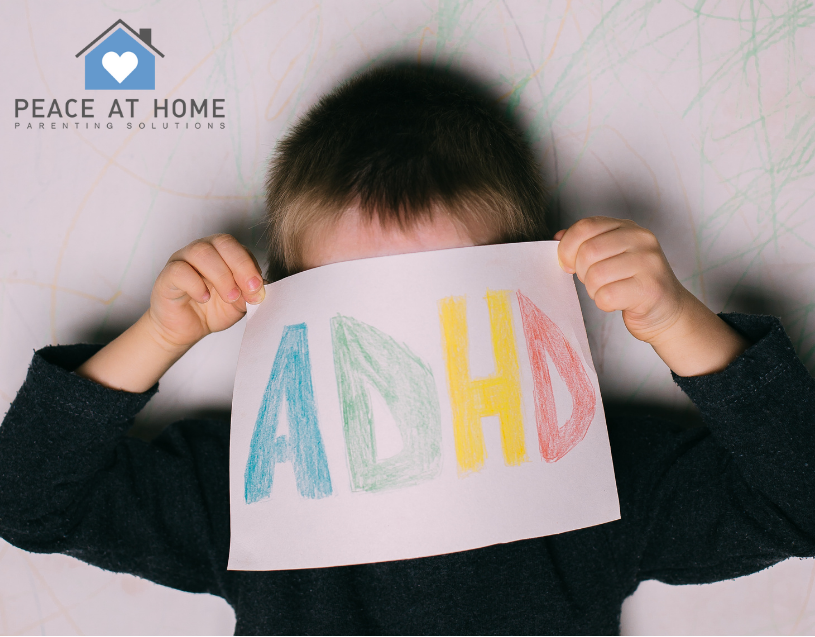
I know you’re tired. You’ve read the books, tried the sticker charts, and maybe even mourned the loss of a “calm” family dinner. Parenting a child with ADHD is a journey of incredible highs and deeply challenging lows. But in the middle of managing the whirlwind of appointments, homework, and big emotions, I want to offer you a simple, powerful truth: You are your child’s mirror. How you see them is, in large part, how they will learn to see themselves.
This isn’t about pressure or perfection. It’s the key to unlocking the confident, capable, and good kid you know is in there, even when they’re struggling to show it.
Children with ADHD often have a nervous system that works in overdrive. Think of it like a highly sensitive microphone that picks up everything—the hum of the refrigerator, the tag in their shirt, and, most importantly, the emotional current in the room. They feel your stress, your frustration, and your worry, even when you’re plastering on a brave smile.
This isn’t a criticism; it’s just how they’re wired. When a parent is in a constant state of tension, worried about the next impulsive outburst or forgotten assignment, the child absorbs that tension. Their sensitive system registers the environment as unsafe or stressful, which, ironically, can make their symptoms of hyperactivity and inattention even more pronounced. They aren’t trying to be difficult; their bodies are simply responding to the unspoken stress around them.
One of our core beliefs here is that kids are always doing the best they can with the skills they have at that moment. The behaviors we see as challenging—the impulsivity, the disorganization, the emotional meltdowns—are not a reflection of a “bad kid.” They are signals. They’re a flare sent up from a struggling child who has an unmet need, an overwhelming feeling, or a lagging skill.
When your child forgets their cleats for the third time this month, the behavior isn’t the whole story. The story is about a brain that struggles with executive function. When we can look past the frustrating behavior and see the struggling child, the mirror we hold up changes. Instead of reflecting, “You are a problem,” it reflects, “You are having a problem. I am here to help.” This single shift can be the difference between a child who grows up feeling broken and one who grows up feeling understood.
Shifting your perspective is the first step, but how do you put it into practice when you’re in the thick of a chaotic morning? Here are three ways to start polishing that mirror today.
1. Connect Before You Correct
Before you address a behavior, make a point of connection. This calms both of your nervous systems and lets your child know you’re on their team. It ensures they feel seen and are much more open to your guidance because the relationship feels safe.
2. Narrate Their Goodness
Kids with ADHD get a lot of negative feedback. Their internal voice can easily become one of criticism. You can be the voice that proves it wrong. Become a detective for their strengths and speak them out loud, especially when they aren’t expecting it.
3. Mend the Connection After a Difficult Moment
Let’s be real: you’re going to have moments where you lose your cool. We all do. You’re human. The goal isn’t to be a perfect, unshakable parent-robot. The most important lesson you can teach your child is that relationships can be mended after a rupture.
You can’t control your child’s brain wiring, but you have immense influence over the emotional environment in which that brain develops. Being a calm, confident guide—a secure anchor in their emotional storms—is the most powerful tool you have. Every time you choose to see the struggling child behind the behavior, you are holding up a mirror that reflects love, acceptance, and belief. And that is the image they will carry with them for the rest of their lives.
Questions? Email us at solutions@peaceathomeparenting.com
And now for the shameless plug…
Don’t have a Peace at Home Parenting Portal? Let’s fix that. Ask your company, school, or favorite neighborhood group to join us. We have subscriptions for Corporations, K-12 Schools, and Family Service Organizations. We work to bring calm to parenting chaos—no yoga mat required.
You can also join as an individual or family.

Screen-time meltdowns aren’t just 'bad behavior'—they are often driven by a powerful and addictive dopamine loop cycle. Curious? In a dopamine loop, your child’...
January 12 , 2026
You're sitting in a small, quiet office. A professional—a teacher, a therapist, maybe a doctor—is sharing their observations about your child. They use words li...
December 01 , 2025
I know you’re tired. You’ve read the books, tried the sticker charts, and maybe even mourned the loss of a “calm” family dinner. Parenting a child with ADHD is...
November 24 , 2025
When modern parenting feels like a high-speed, high-stress ride - and you're feeling exhausted, disconnected, and unsure how to reset - mindful parenting strate...
October 07 , 2025
Parenting Through Chaos: Why You (and Your Child) Need a Steady Anchor Ever catch yourself thinking, “Once things settle down, I’ll finally…” or “This wouldn’t...
June 01 , 2025
“Fathers who are emotionally present, who show up and tune in to their kids, create lasting neural patterns of connection that shape how children see themselves...
May 21 , 2025