
 February 2026 | Aaron Weintraub
If there is one topic that seems to instantly raise the blood pressure in almost every home we work with, it’s screen time.
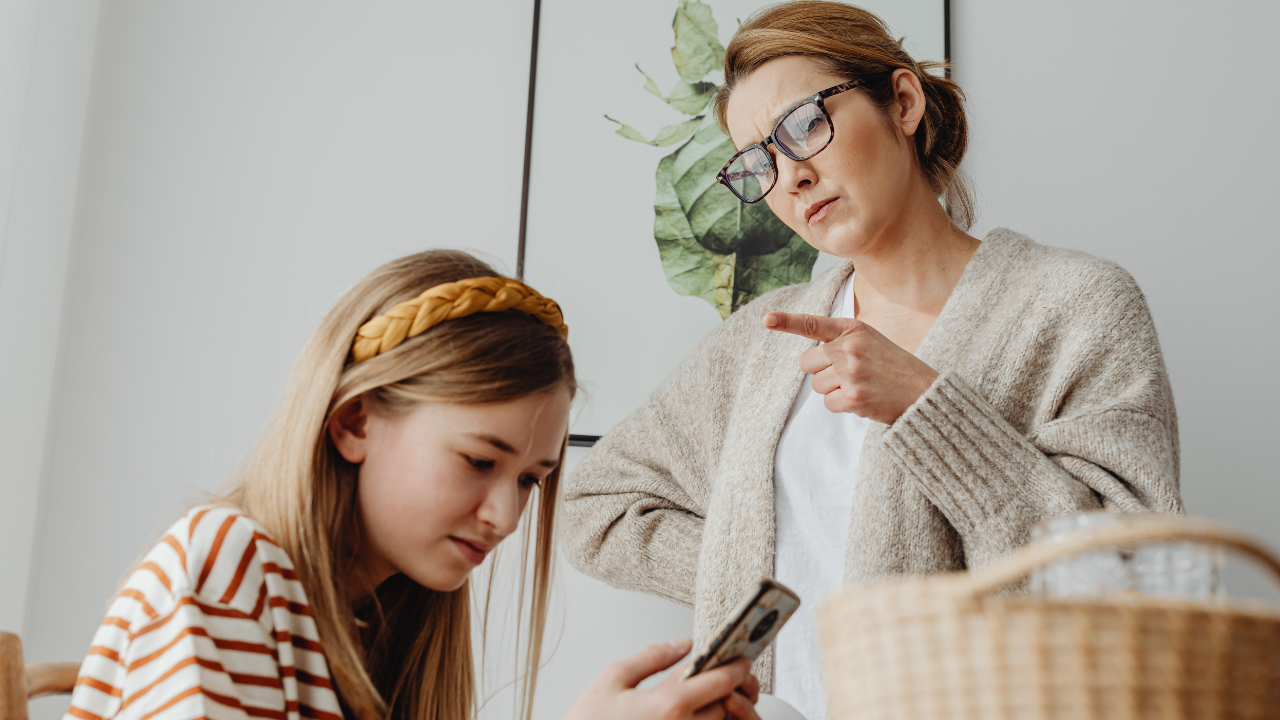
We’ve all been there. You need twenty minutes to get dinner on the table (or just to hear your thoughts), so you hand over the tablet. The house goes quiet. It feels like a win. But then comes the transition. The timer goes off, and suddenly, the child who was happily playing Minecraft or watching Bluey vanishes, replaced by a child who is screaming, begging, throwing the remote, or melting down on the floor.
In those moments, it’s so easy to spiral. We think, “I’ve ruined them.” They’re addicted. I’m a lazy parent. From now on, no more screens!”
But before we throw out the iPad or banish the TV, let’s take a deep breath. We need to look at this struggle through a different lens—one that isn’t about control and guilt, but about connection and biology.
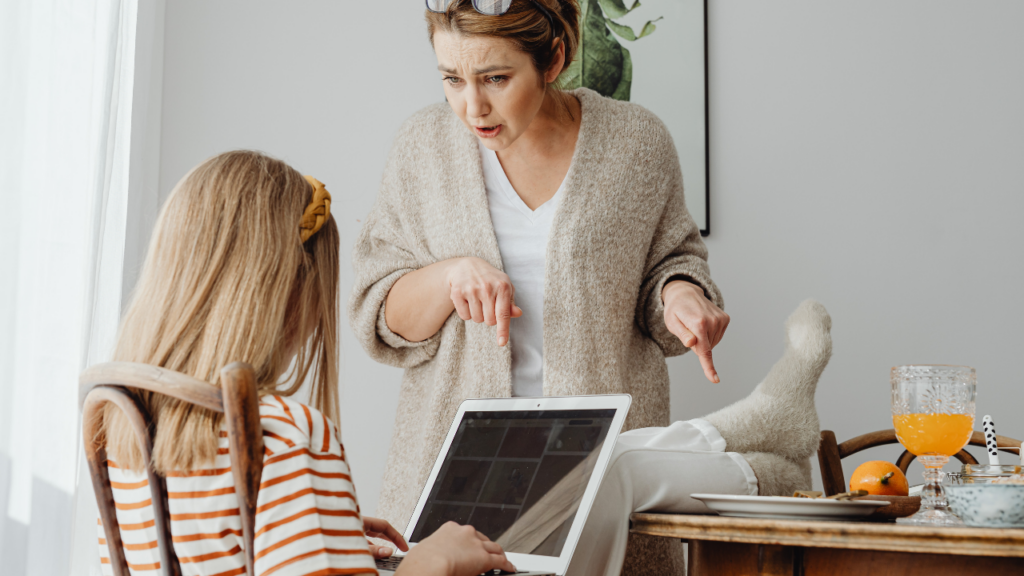
First, let’s remember our core truth: Your child is good on the inside. Even when they scream for “one more episode,” they aren’t bad kids or trying to manipulate you. They’re a good kid having a really hard time.
Screens provide a massive hit of dopamine. They are stimulating, rewarding, and frankly, easier than the real world. Research published in Frontiers in Psychology confirms that children’s brains show stronger and more sustained dopamine responses to screen-based rewards than to most real-world activities, making it neurologically harder to simply “just turn it off.” When we ask a child to turn off a screen, we are asking them to move from a high-dopamine world, where they feel competent and entertained, back to the “real world,” which might feel boring, loud, or demanding.
The meltdown isn’t usually about the show itself; it’s about the pain of that transition. They are struggling to regulate their bodies as they come down from that high. In fact, peer-reviewed neuroimaging research shows that prolonged screen exposure affects the brain’s inhibitory control system in ways similar to habitual addictive behaviors — meaning the struggle to stop is real, not just drama.
So, how do we break the cycle of fighting, banning, and then caving? We prioritize the relationship.
The biggest mistake we make is shouting from the other room, “Five minutes left!” or “Turn it off now!” Such behaviour creates a sudden jar to their system.
Instead, try entering their world before you ask them to leave it.
Walk over to them. Sit down next to them. Put a hand on their shoulder. Watch what they are watching for thirty seconds. Ask a question about it.
By doing so, you are building a bridge between their digital world and your relational world. You are helping their brain recognize your presence. Once you’ve established that connection, then you set the limit. “I love watching this with you. It’s time to turn it off now and have dinner.”
Even with a gentle transition, your child might still get upset. That is okay.
We often think that if our strategy “worked,” our child wouldn’t cry. But the goal isn’t to stop the feelings; the goal is to help them manage them. You can hold two truths at once: You can hold the boundary (the screen goes off), AND you can validate their feelings (they are allowed to be mad about it). We call this being firm AND kind.
If they scream, stay calm. Be that steady anchor for them.
Don’t negotiate (“If you stop crying, you can watch later”). Just hold the space. When they realize you aren’t afraid of their big feelings and you aren’t going to change your mind out of anger or fear, they feel safe.

If you feel like the cycle of screen time is out of control in your home, try not to focus on the “taking away.” Focus on the “adding in.”
We often use screens to cope—kids do it, and let’s be honest, we adults do it too. We scroll when we’re anxious, bored, or lonely. Our kids are the same.
If you notice a huge uptick in screen demand, get curious. Is your child bored? Are they feeling disconnected? Sometimes, the best way to reduce screen time isn’t a strict ban but an increase in connection time.
Try carving out ten minutes of “special time” where you put your phone in a drawer and just play whatever they want to play. Fill their emotional cup. When a child feels deeply connected to you—when their “relational home base” is secure—they often have less of a compulsive need to zone out into a screen.
Finally, a gentle note for us parents. We are our children’s first role models. If we want them to have a healthy relationship with technology, we have to model it. This doesn’t mean being perfect. It means narrating our struggles.
This shows them that we value our connection with them more than our connection to the device.
Breaking the screen time cycle doesn’t happen overnight. It’s messy. But if you lead with empathy, stay calm when the feelings get big, and prioritize your bond over the battle, you’ll find your way through. You’ve got this.
Click here to follow our 52 weeks of tips and tools to Break the Cycle in 2026.
Questions? Email us at solutions@peaceathomeparenting.com
And now for the shameless plug… Don’t have a Peace at Home Parenting Portal? Let’s fix that. Ask your company, school, or favorite neighborhood group to join us. Learn more about Peace at Home Parenting Solutions. We have subscriptions for Corporations, K-12 Schools, and Family Service Organizations. Peace at Home brings calm to the chaos of parenting.
You can also join as an individual or family.

Let’s Talk About What Every Parent Should Know Most of the parents we meet at Peace At Home think a lot about how you talk to your kids, discipline them, and su...
June 01 , 2026
Summer is just around the corner. The school doors will soon close, schedules will suddenly open up, and the familiar chorus of "I'm bored" is waiting in the wi...
May 26 , 2026
Post-pandemic family life has been dramatically impacted by the perfect storm of working parent burnout in combination with our national pediatric mental health...
May 20 , 2026
A few months ago, I was watching Oprah interview Dr. Anna Lembke, author of Dopamine Nation. I adore Oprah. So many decades ago she started talking about the ha...
May 19 , 2026
Every generation seems to hit a panic button when it comes to girlhood. From the novels of the 19th century to rock and roll in the 1950s, society has always wo...
May 11 , 2026
There’s a conversation I keep having with parents lately — in workshops, in consultation calls, in grocery store aisles, and honestly, in my own heart. Parents...
May 11 , 2026