

 May 2020 | Ruth Freeman
 3 – 5 years old: 10 – 13 hours
5 – 12 years old: 9 – 12 hours
Tweens and Teens: 8 – 10 hours
Adults: 7 – 9 hours
This could mean soaking in a hot bath or listening to soothing music. Begin an hour or more before the time you want to fall asleep
Try to make the environment: dark, quiet, comfortable, and cool
When it’s time for a new mattress, it is worth the investment. A restful night’s sleep will lead to happier, more cooperative family members.
Bedrooms should only be used for sleep (and sex, for adults). Try to keep phones and electronics out of bedrooms. Avoid watching TV, using a computer, or even reading in bed.
Try to finish eating at least 2-3 hours before your regular bedtime.
The 2-3-hour rule applies to food, caffeine, and alcohol.
Exercise is important right now for a variety of reasons, including helping you and your family sleep better.
We also recommend reading Dr. Schneeberg’s book: Become Your Child’s Sleep Coach: The Sleep Doctor’s 5-Step Guide, Ages 3-10.
Questions? Email us at solutions@peaceathomeparenting.com
And now for the shameless plug…
Don’t have a Peace at Home Parenting Portal? Let’s fix that. Ask your company, school, or favorite neighborhood group to join us. We’ve got Corporate, K-12 School, and Family Service programs that bring calm to the chaos—no yoga mat required. Click here to join as an individual or family.
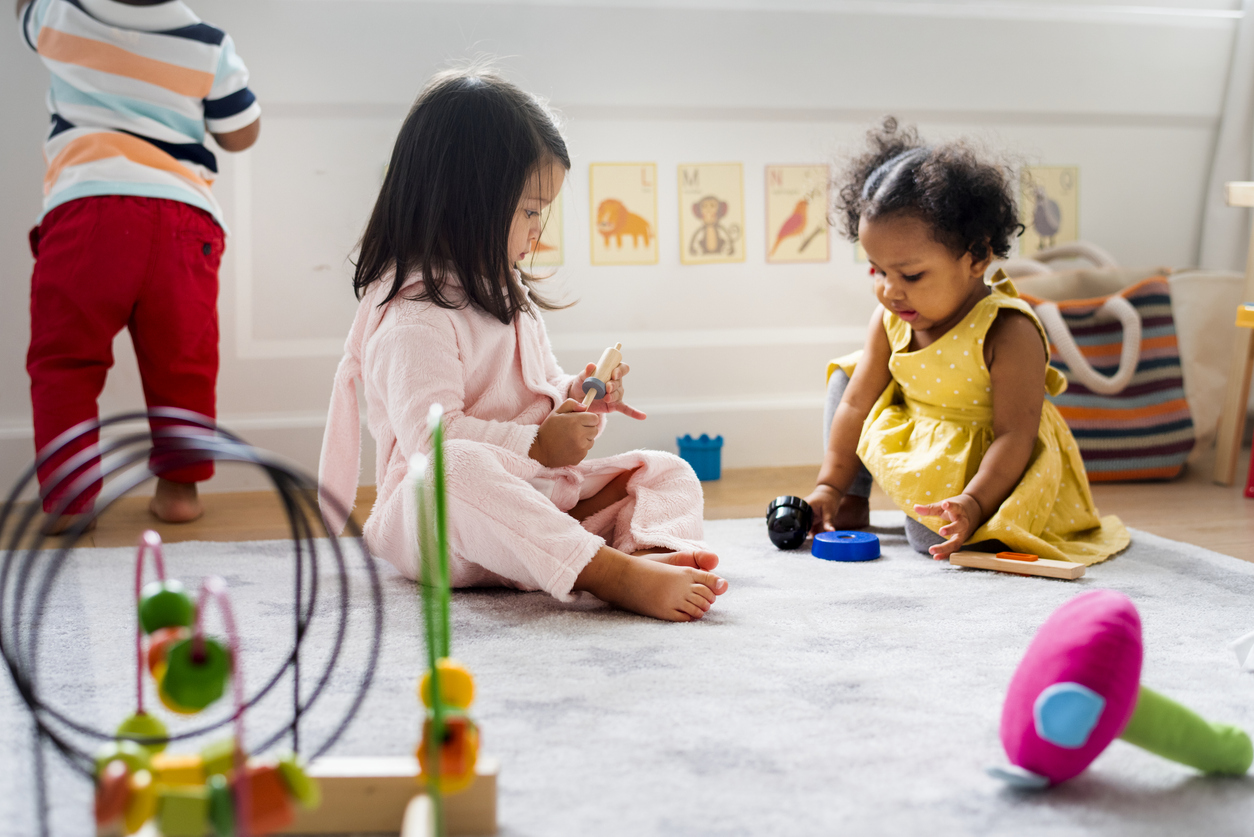
If you’re searching for how to choose a childcare provider, you’re not alone. Many parents feel panic, guilt, or confusion during this process. Maybe you’re ret...
March 30 , 2026
Parenting is arguably the most beautiful, heart-stretching, and exhausting job in the world. If you sometimes feel lost in the thick of tantrums, defiance, sibl...
March 27 , 2026
Simple Daily Steps to Reduce Screen Time and Rebuild Family Connection Many parents feel stuck in the same exhausting pattern: screens are always within reach,...
March 26 , 2026
Every day, educators, mental health clinicians, and family service professionals dedicate themselves to helping children thrive. Teachers support academic growt...
March 24 , 2026
Educators know that student success depends on more than what happens in the classroom. The relationship between schools and families plays a critical role in c...
March 17 , 2026
Between work responsibilities, school schedules, digital distractions, and daily household demands, many parents feel emotionally stretched thin. The pace of mo...
March 12 , 2026