
 March 2026 | Kathleen Harkins Weissenberger
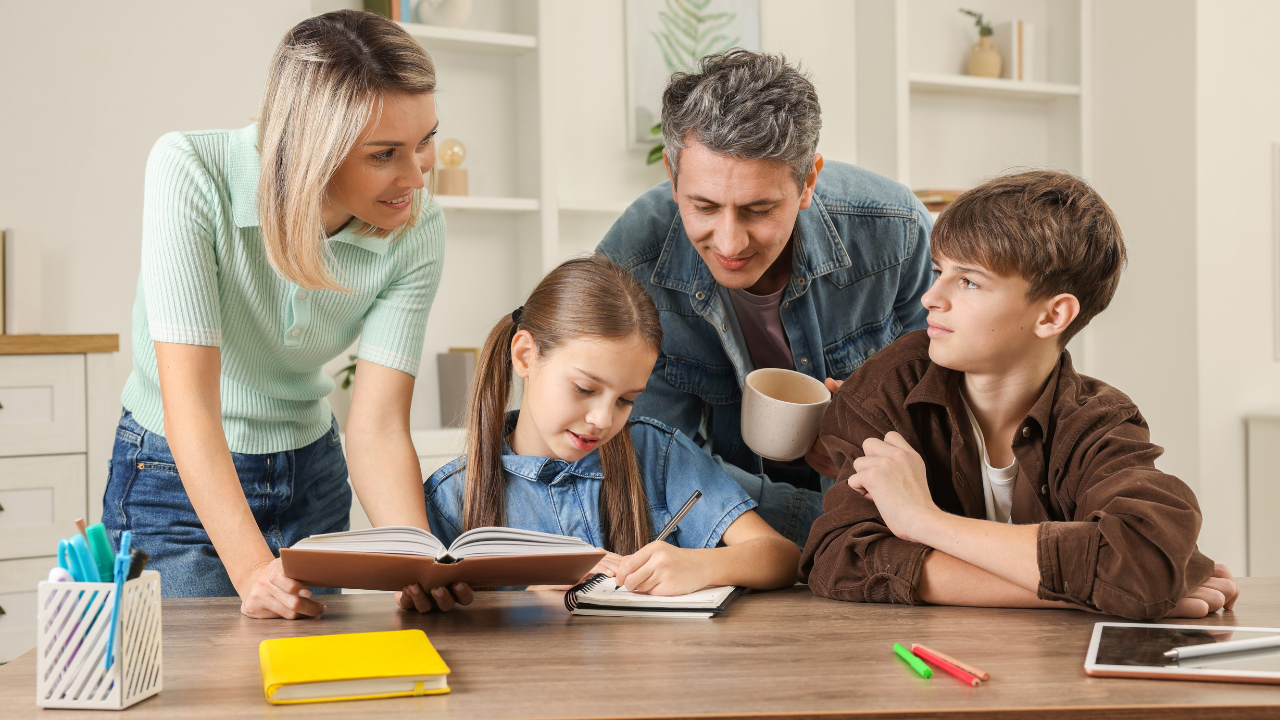
Educators know that student success depends on more than what happens in the classroom. The relationship between schools and families plays a critical role in children’s academic progress, emotional well-being, and behavior. Yet many schools struggle with a common challenge: Parents want to help their children succeed, but often feel unsure how to support learning, manage behavior, or navigate developmental challenges. At the same time, educators are rarely given formal training in practical parenting strategies or family engagement methods.
Through expert-led workshops and resources, schools provide parents with guidance on the issues families are facing today—from executive functioning and homework struggles to anxiety, screen use, and social development.
Peace at Home also supports educators through professional development that strengthens communication with families and promotes productive partnerships between home and school.
When parents feel confident and supported, they become stronger partners in their child’s education. And when schools support parents, they strengthen outcomes for students.
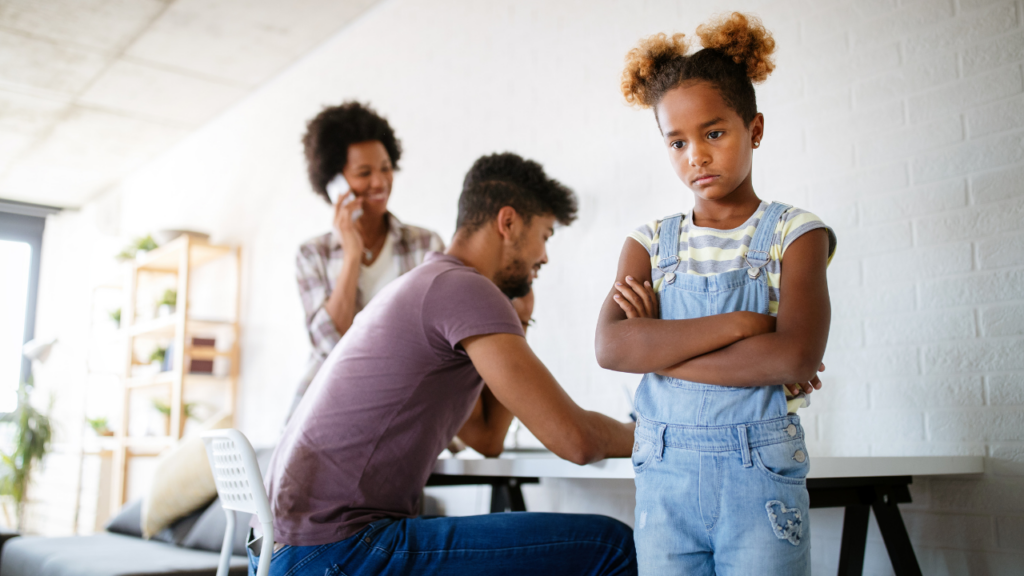
Across the United States, schools are facing a convergence of challenges affecting students’ ability to learn and thrive.
Student mental health concerns are at historic levels.
According to the CDC, 4 in 10 high school students report persistent feelings of sadness or hopelessness, and 20% have seriously considered attempting suicide. (CDC)
Mental health conditions now represent over 23% of the total disease burden among adolescents, surpassing many physical health concerns. (ace-ed.org)
These challenges show up every day in schools as:
School counselors and educators are working hard to respond—but they cannot do it alone.
Children and adolescents are growing up in an unprecedented digital environment. Research shows that excessive screen use (4+ hours per day) is associated with higher risks of anxiety, depression, behavioral issues, and ADHD in children ages 6–17. (arXiv)
Studies also show that nearly one in three adolescents demonstrate signs of addictive screen use, which is linked to significantly higher risk of emotional distress and suicidal behaviors. (The Guardian)
Parents are often unsure how to manage:
Schools frequently become the first place where these challenges surface, but families need guidance and support to address them effectively at home. Educators also continue to see the effects of disrupted learning and reduced structure in students’ lives.
Students increasingly struggle with:
These skills, often called executive functioning skills, are strongly influenced by routines, expectations, and support at home. When parents understand how to support these skills, students gain tools that improve both academic performance and independence.
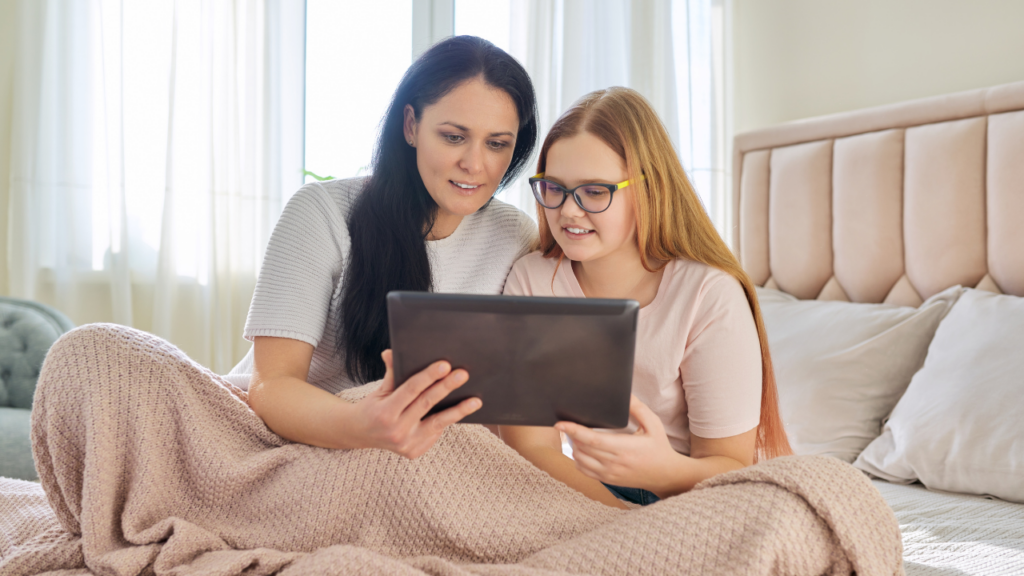
Research consistently shows that strong family engagement improves student outcomes, including academic achievement, attendance, and behavior. Yet many families report that they want to support their children but don’t know where to start.
Educators also face a gap. Most teacher preparation programs focus on instruction and curriculum, not on:
When schools provide parents with trusted, research-based guidance, they strengthen the entire educational ecosystem.
Peace at Home Parenting Solutions helps schools build stronger partnerships with families by providing an accessible “Resource Room” for parents and school staff. Schools can offer families expert guidance on topics including:
The Peace at Home School Resource Room provides:
✔ Evidence-based parent workshops
✔ On-demand parenting resources for families
✔ Professional development for school staff
✔ Tools to strengthen home-school communication
All designed to be affordable, flexible, and easy to implement for school districts.
Schools cannot solve every challenge children face outside the classroom. But schools can equip parents with the knowledge and tools to help their children thrive.
When parents feel confident:
Investing in parents is one of the most scalable ways schools can support student success.
Peace at Home Parenting Solutions helps schools do exactly that.Learn more about how Peace at Home supports schools and families:
https://peaceathomeparenting.com/school/

You've said it to your kid a hundred times: "Okay, five more minutes." You've said it to yourself, too, right before your phone somehow ate half an hour you did...
August 26 , 2026
The dorm room is unpacked. The last drive home from campus was quiet in a way that had nothing to do with traffic. And now, days or weeks later, the calls have...
August 26 , 2026
School starts in a few weeks, and if your house already sounds like this, you are not imagining that it has gotten worse. “Five more minutes” turns into fifteen...
August 17 , 2026
Every parent hears the same advice the moment their child turns twelve or thirteen: step back, push them out of the nest, and force them to stand on their own t...
August 17 , 2026
Quick Summary: If your child won't listen without yelling, it's often a connection problem, not a behavior problem. Try "collecting" your child before giving di...
August 11 , 2026
Quick Summary: Two new studies link higher screen time to weaker academic performance, working memory, and well-being in kids. Screens alone don't determine a c...
August 04 , 2026