
 March 2024 | Ruth Freeman
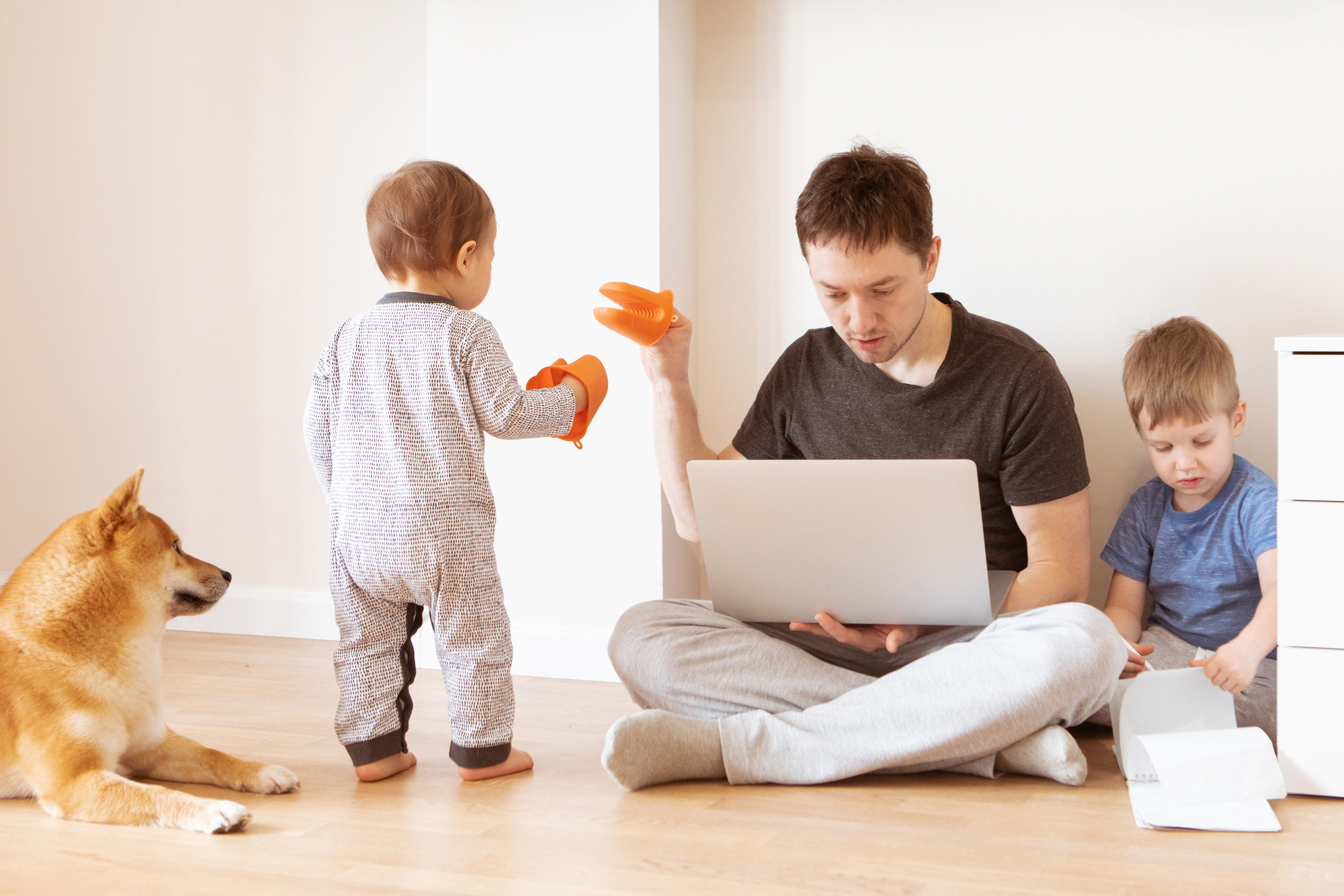
With the lines between work and home forever blurred, the challenges faced by working parents have been magnified. And the very mention of “Work-Life Balance” can send parents into hysterical laughter or hopeless resignation. Some call it “Work-Life Blend” these days since technology invites work into home life in ways we never imagined. This problem is exasperated by the prevalence of mental health issues in both kids and parents which have escalated since the pandemic. 53% of working parents have their work disrupted by their children’s mental health concerns and that’s just a piece of the complex pediatric mental health story. With regard to work life, company culture often leads working parents to believe that in order to succeed, they have to be available for work demands far beyond typical work hours.
So let’s talk.
At Peace At Home Parenting, we have a bias about priorities. Strong, positive relationships between children and their parents are powerful protectors of children’s mental health. Those relationships take time and attention and, frankly, at times can be tedious, boring, confusing, and challenging. Depending on our own childhood experience and on the struggles that our children are facing, these relationships can sometimes be painful. But kids need those connections in order to thrive and we need to do our best to carve out space and time to make them happen.
The good news is the evidence that creating clear work-life boundaries helps both families and employers. A report from the National Institute of Health says: Companies that provide family support, help employees thrive by differentiating work and family. Employees learn to isolate themselves from work in time and space, enjoy family life with pleasure and efficiency, then return to work the next day with positive anticipation, thus achieving a win–win situation in both the work and family spheres.
So the evidence suggests that the “Work-Life Blend” isn’t not an ideal goal, but boundaries are the way to go both for your family and your work life. Here are some suggestions from professionals that have achieved some degree of meaningful balance:
For more parenting support, join us for an Upcoming Live Workshop, browse our Libraries of Quick Video Solutions and check out our podcasts and other resources. Questions? Email us at Solutions@Peaceathomeparenting.com or learn more about our Corporate, School and NonProfit programs.

Let’s Talk About What Every Parent Should Know Most of the parents we meet at Peace At Home think a lot about how you talk to your kids, discipline them, and su...
June 01 , 2026
Summer is just around the corner. The school doors will soon close, schedules will suddenly open up, and the familiar chorus of "I'm bored" is waiting in the wi...
May 26 , 2026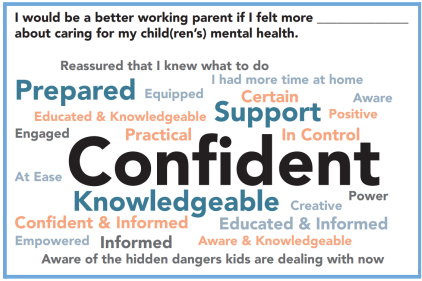
Post-pandemic family life has been dramatically impacted by the perfect storm of working parent burnout in combination with our national pediatric mental health...
May 20 , 2026
A few months ago, I was watching Oprah interview Dr. Anna Lembke, author of Dopamine Nation. I adore Oprah. So many decades ago she started talking about the ha...
May 19 , 2026
Every generation seems to hit a panic button when it comes to girlhood. From the novels of the 19th century to rock and roll in the 1950s, society has always wo...
May 11 , 2026
There’s a conversation I keep having with parents lately — in workshops, in consultation calls, in grocery store aisles, and honestly, in my own heart. Parents...
May 11 , 2026