
 July 2026 | Aaron Weintraub
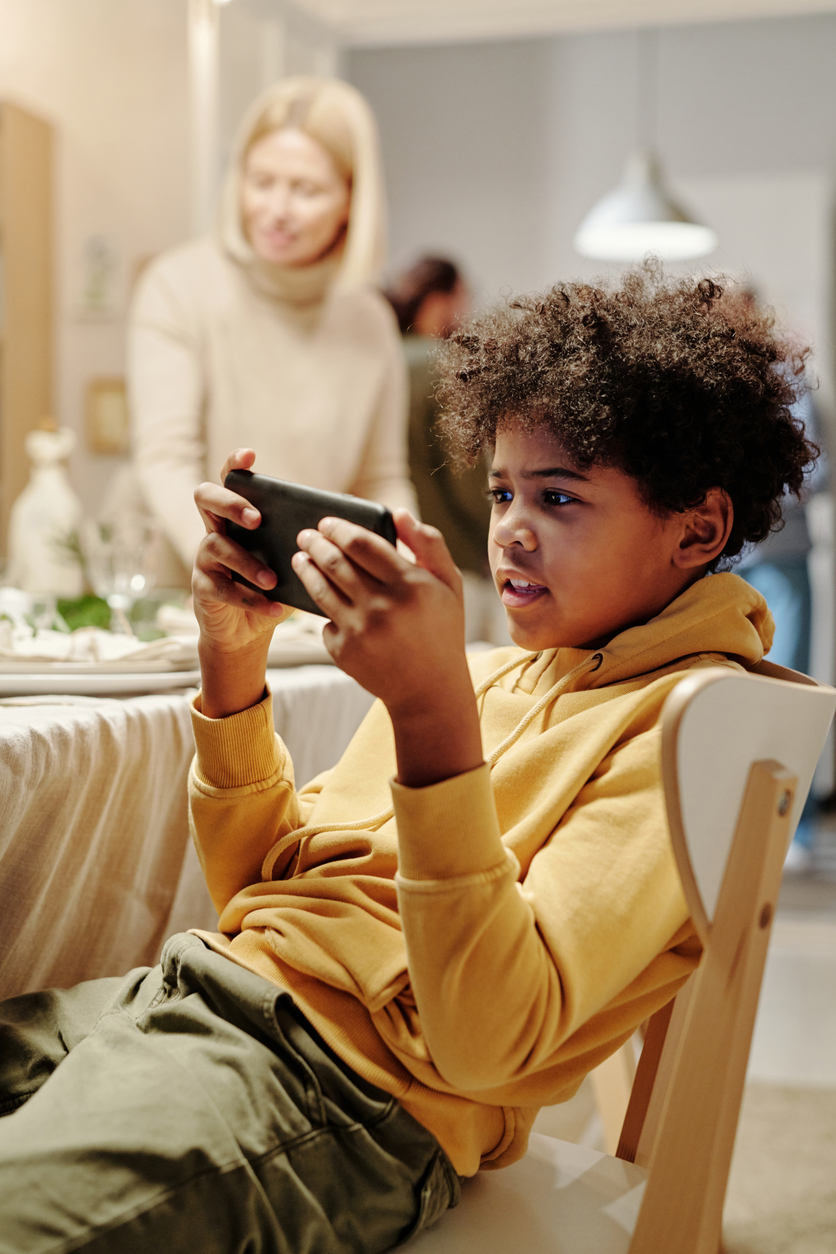
It is a familiar scene in almost every home. You say hello, and your child’s eyes stay glued to a glowing rectangle. You ask about their day, and you get a grunt. It feels like a constant battle, but the real threat of smartphones and social media isn’t just the hours wasted or the inappropriate content. The true danger is far more subtle. It is how easily these digital spaces slide into the driver’s seat of a child’s life, quietly replacing the parent as the primary anchor.
Children are driven by an instinctual need to attach. They need to lean on someone, look up to someone, and find their bearings from someone. For generations, that someone was the parent. But devices have changed the game by offering around-the-clock access to something incredibly seductive: their peers.
When a child is constantly connected to classmates and influencers, peer culture begins to crowd out family culture. They start looking to other children for direction, identity, and values. The problem is that peers were never meant to carry the weight of a child’s emotional security. They are fickle, easily offended, and incapable of providing the unconditional love a developing mind needs to rest and grow.
To win this tug-of-war, we have to collect our children daily. Collecting is the deliberate practice of capturing their mind and heart before we try to manage their behavior. It happens in the ordinary transitions of the day.
When a child experiences this kind of deep acceptance, their attachment instincts naturally lock onto you.
When we rely entirely on strict rules, tracking apps, and digital lockdowns to manage technology, we usually trigger a wall of resistance. Rules are necessary, but they only hold weight when they are backed by a strong relationship. If a child feels like you are just a cop policing their screen time, they will quickly find ways around you. They hide devices, delete search histories, and withdraw further into their online worlds.
The goal is to shift the dynamic. You want your child to feel that being with you is a place of psychological rest.
The digital world is loud, fast, and relentless, but it cannot match the power of a parent who refuses to let go. Do not yield your position to a smartphone. Take the time today to look your child in the eyes, listen to their world, and remind them through your actions that you are the one holding the anchor.
Breaking the screen time cycle doesn’t happen overnight. It’s messy. But if you lead with empathy, stay calm when the feelings get big, and prioritize your bond over the battle, you’ll find your way through. You’ve got this.
Click here to follow our 52 weeks of tips and tools to Break the Cycle in 2026.

Your child might be currently leading a virtual army. They are conquering territories, building complex worlds, and dictating terms to dozens of online peers. T...
July 21 , 2026
Growing up has always been vulnerable work. Today, it is even harder. Children face a constant barrage of social feedback, academic pressure, and the normal con...
July 21 , 2026
It takes three seconds for an AI chatbot to write a history essay, solve a complex algebra problem, or generate a science project summary. For a child staring a...
July 20 , 2026
It is a familiar scene in almost every home. You say hello, and your child's eyes stay glued to a glowing rectangle. You ask about their day, and you get a grun...
July 20 , 2026
Parents today have access to more information than any previous generation. A quick search can produce thousands of articles, videos, podcasts, social media pos...
July 20 , 2026
June arrives and the social media feeds immediately flood with laminated bucket lists. Fifty things you absolutely must do before September. Bake a pie from scr...
June 30 , 2026