

 July 2026 | Ruth Freeman
Parents today have access to more information than any previous generation.
A quick search can produce thousands of articles, videos, podcasts, social media posts, and opinions about everything from toddler tantrums to teen mental health. Yet many parents tell us they feel more uncertain, overwhelmed, and alone than ever.
Why? Because information alone isn’t always enough.
Just as we know that small changes in nutrition, exercise, and sleep can improve our health, research shows that small shifts in parenting practices can have a meaningful impact on your child’s behavior, emotional well-being, academic success, and on family relationships. The challenge isn’t finding information—it’s knowing which information to trust, how to apply it to your unique child, and having support when questions arise.
Every child is different. Every family is different.
You may often be faced with competing advice:
The answers are rarely as simple as a social media post or a list of parenting hacks.
The most effective parenting decisions happen when you understand the science behind child development, know the options available to you, and can make informed choices that fit your values, circumstances and gut instincts.
Research-based parenting information can be transformative. But information becomes most powerful when it’s paired with human connection.
You need someone who can say, “What you’re experiencing is common,” or “Here’s another approach that might work for your child.” Listening to what you have tried and what you know deep inside about your child is essential to addressing those persistent concerns. And sometimes the good news is that what you see as a concern is actually a typical part of your child’s development or a sign of their unique temperament.
At Peace At Home Parenting, we believe that support should be both evidence-based and deeply human.
This is why our approach combines multiple ways for you to learn and receive support.
Our monthly live workshops give you direct access to leading child development, mental health, and parenting experts.
You can ask questions in real time, hear from other families facing similar challenges, and receive guidance tailored to your concerns.
You may discover that the issue keeping you awake at night is something many other families are navigating, too and that the stories you’re telling yourself aren’t quite accurate.
Parenting questions don’t only come up during business hours.
That’s why our live programming is reinforced with a growing library of articles, videos, recordings, handouts, and practical tools available 24/7.
Whether you’re preparing for a challenging conversation, trying to understand a developmental stage, or looking for strategies that work, trusted information is always available when you need it.
Sometimes you need more personalized support.
Peace At Home parent consultations provide an opportunity to talk directly with an expert about your unique situation, explore options, and develop a plan that feels right for your family.
Sometimes the greatest relief comes from having a knowledgeable, compassionate person listen and help you identify the next step.
Many parents assume they need a complete family overhaul to see positive change. The science tells us otherwise.
Often, meaningful improvements come from small, intentional adjustments:
Just as small lifestyle changes can improve physical health, small parenting changes can strengthen relationships, reduce stress, and support children’s growth over time.
Parenting has never been easy, and today’s families face challenges that previous generations could never have imagined.
The good news is that there is high-quality, science-backed information available. More importantly, there are caring professionals and communities ready to help you understand that information and apply it in ways that work for your family.
Support isn’t about being told what to do.
It’s about having access to trustworthy guidance, meaningful conversation, and compassionate expertise so you can make informed choices with confidence.
Because every parent deserves more than information.
Every parent deserves connection, support, and the opportunity to grow alongside their child.
Growing Up Doesn’t Mean Growing Apart
It’s a common myth that as children grow into their own skin, they push you away to find themselves. True independence does not require emotional distance. In fact, the opposite is true. When a child has a secure relational anchor at home, they can step out into the world with confidence because they know exactly where their calm center is. Their need for closeness doesn’t disappear when they hit middle school or high school. It just changes form. Your role
naturally shifts from managing their daily routines to serving as their emotional compass point. Peace At Home teachers understand this deeply. Our experts are available to walk alongside
you through every age and stage, offering grounded guidance from the toddler years right through the complex emotional waves of adolescence. You don’t have to handle these shifts alone and your kids will benefit when you feel like someone has your back.
I would add something like this after “Parenting Isn’t One-Size-Fits-All” or before “You Don’t Have to Figure It Out Alone.”
When people hear the term parenting support, they often picture new parents navigating sleepless nights, feeding schedules, and toddler tantrums. While those early years matter, parenting doesn’t get easier as children grow—it simply changes.
Parents of school-age children face challenges related to friendships, learning differences, academic pressure, anxiety, technology, and growing independence. Parents of teens are navigating mental health concerns, social media, risk-taking, and the delicate balance between guidance and autonomy. And for many families, one of the most emotionally complex transitions comes when young adults begin launching into college, careers, and independent lives.
At the same time, many parents find themselves supporting aging parents while still raising children of their own. This “sandwich generation” experience can bring tremendous stress, competing responsibilities, and difficult decisions.
Every stage of parenting can present new questions, new uncertainties, and new opportunities for growth. The need for trustworthy information, compassionate guidance, and a supportive community doesn’t end when a child starts kindergarten. In many ways, it becomes even more important as families navigate the increasingly complex challenges of childhood, adolescence, and young adulthood.
Join me, Peace at Home founder, Ruth Freeman, LCSW, Thursday, July 23rd 12 pm ET, for a special lunch and learn Q&A. Register here. I’ll share actionable strategies and advice on all your parenting challenges. Little changes can make a big difference, no matter how old your child (or young adult) is.

Looking for More Support?
Questions? Email us at solutions@peaceathomeparenting.com
And now for the shameless plug…Don’t have a Peace at Home Parenting Portal? Let’s fix that.
Ask your company, school, or favorite neighborhood group to join us. Learn more about Peace at Home Parenting Solutions.
We have subscriptions for Corporations, K-12 Schools, and Family Service Organizations.
Peace at Home brings calm and joy to the chaos of parenting. You can also join as an individual or family.

Your child might be currently leading a virtual army. They are conquering territories, building complex worlds, and dictating terms to dozens of online peers. T...
July 21 , 2026
Growing up has always been vulnerable work. Today, it is even harder. Children face a constant barrage of social feedback, academic pressure, and the normal con...
July 21 , 2026
It takes three seconds for an AI chatbot to write a history essay, solve a complex algebra problem, or generate a science project summary. For a child staring a...
July 20 , 2026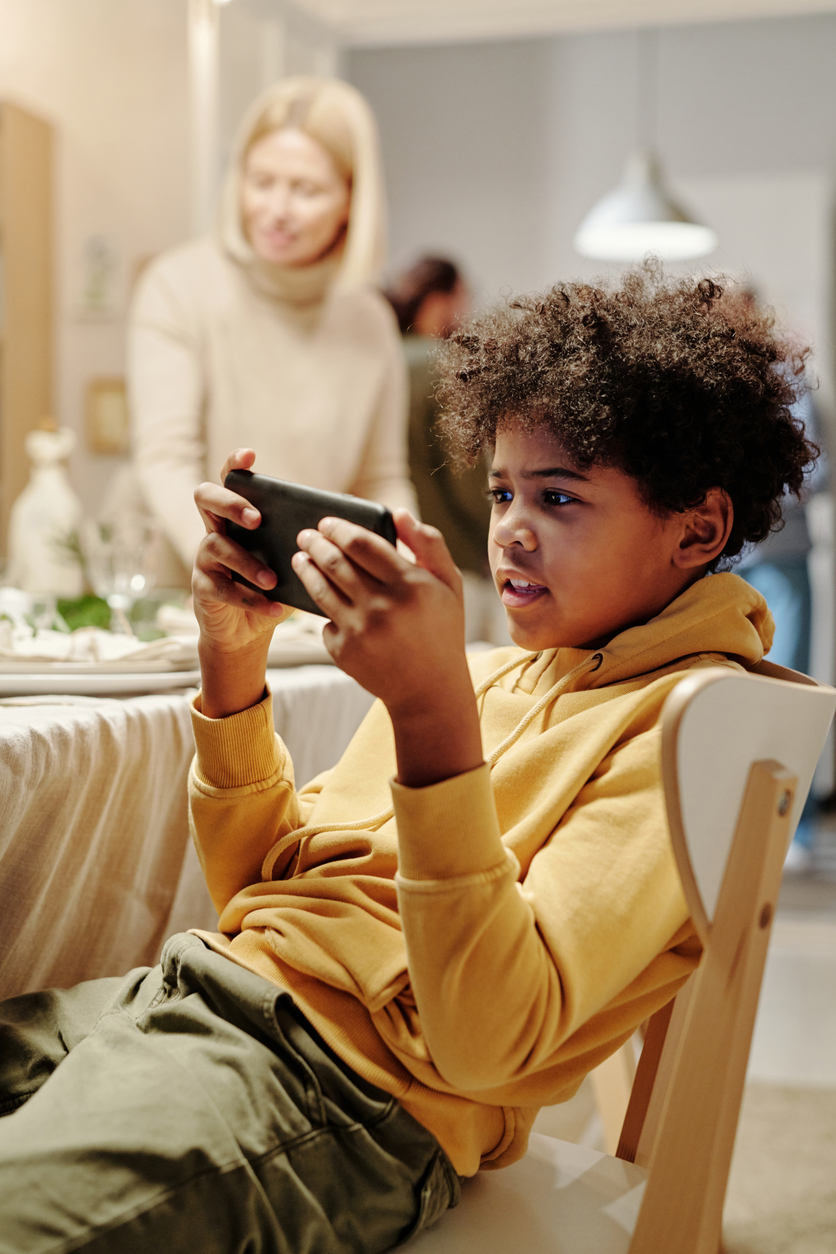
It is a familiar scene in almost every home. You say hello, and your child's eyes stay glued to a glowing rectangle. You ask about their day, and you get a grun...
July 20 , 2026
Parents today have access to more information than any previous generation. A quick search can produce thousands of articles, videos, podcasts, social media pos...
July 20 , 2026
June arrives and the social media feeds immediately flood with laminated bucket lists. Fifty things you absolutely must do before September. Bake a pie from scr...
June 30 , 2026