
Lesson Tag: calm
Be your Child’s Calm Center: Techniques to Calm your Brain
Lesson Details

Human beings are built to reflect each other’s emotions. When children display intense feelings and behaviors, our brains naturally reflect those. We start to feel stressed, angry, fearful, or overwhelmed, just like our kids. The most helpful thing we can do is to develop a brain calming practice and make it part of our daily routine.
Course Lessons
Human beings are built to reflect each other’s emotions. When children display intense feelings and behaviors, our brains naturally reflect those. We start to feel stressed, angry, fearful, or overwhelmed, just like our kids. The most helpful thing we can do is to develop a brain calming practice and make it part of our daily routine.
Understand Teen Executive Functions, Emotions, and Self-Regulation
Lesson Details
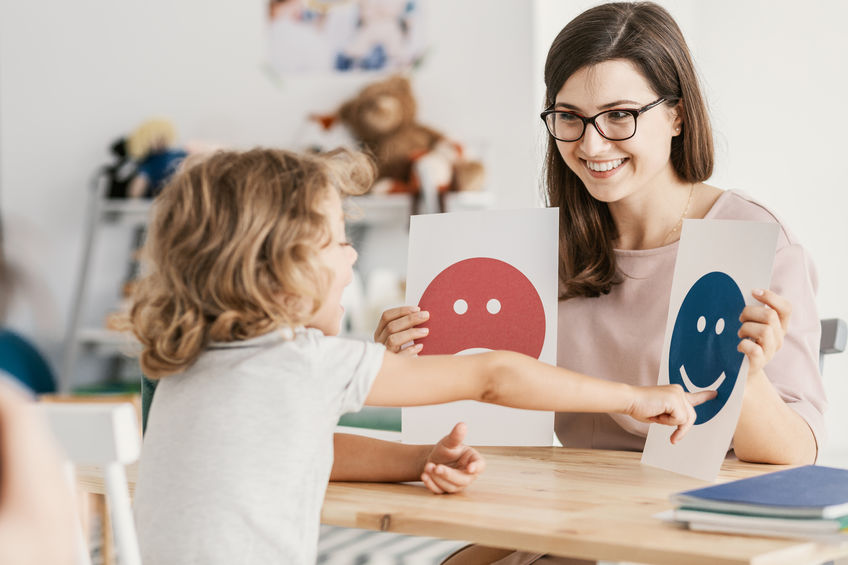
Research has shown that once youth understand how their brain works and what they can do to optimize brain health, their social emotional health and motivation to learn increases. In this session, parents and educators can learn about the relationship between executive functions and emotional regulation, and how that affects academics in addition to stress and well-being.
Course Lessons
Research has shown that once youth understand how their brain works and what they can do to optimize brain health, their social emotional health and motivation to learn increases. In this session, parents and educators can learn about the relationship between executive functions and emotional regulation, and how that affects academics in addition to stress and well-being.
Be Your Child’s Calm Center: Techniques to Calm the Brain
Lesson Details

Human beings are built to reflect each other’s emotions. When children display intense feelings and behaviors, our brains naturally reflect those. We start to feel stressed, angry, fearful, or overwhelmed, just like our kids. The most helpful thing we can do is to develop a brain calming practice and make it part of our daily routine.
Course Lessons
Human beings are built to reflect each other’s emotions. When children display intense feelings and behaviors, our brains naturally reflect those. We start to feel stressed, angry, fearful, or overwhelmed, just like our kids. The most helpful thing we can do is to develop a brain calming practice and make it part of our daily routine.
How Can I Help My Young Child Feel Safe and Secure?
Lesson Details
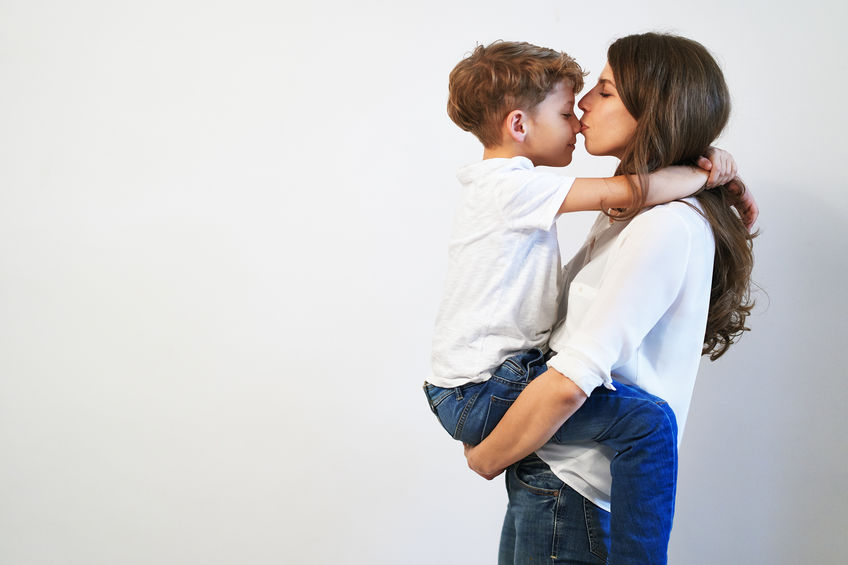
Young children have important basic needs to feel secure and they need family life to remain pleasurable in uncertain times. Participants will be able to:
- Recognize the unique social-emotional needs of young children during stressful times
- Apply parenting strategies that support children to sustain feelings of optimism and security
- Identify realistic self-care practices that are essential to effectively support young children.
Course Lessons
Young children have important basic needs to feel secure and they need family life to remain pleasurable in uncertain times. Participants will be able to:
- Recognize the unique social-emotional needs of young children during stressful times
- Apply parenting strategies that support children to sustain feelings of optimism and security
- Identify realistic self-care practices that are essential to effectively support young children.
