
This workshop was hosted live on the date noted above, you can view the recording and download the handouts below.

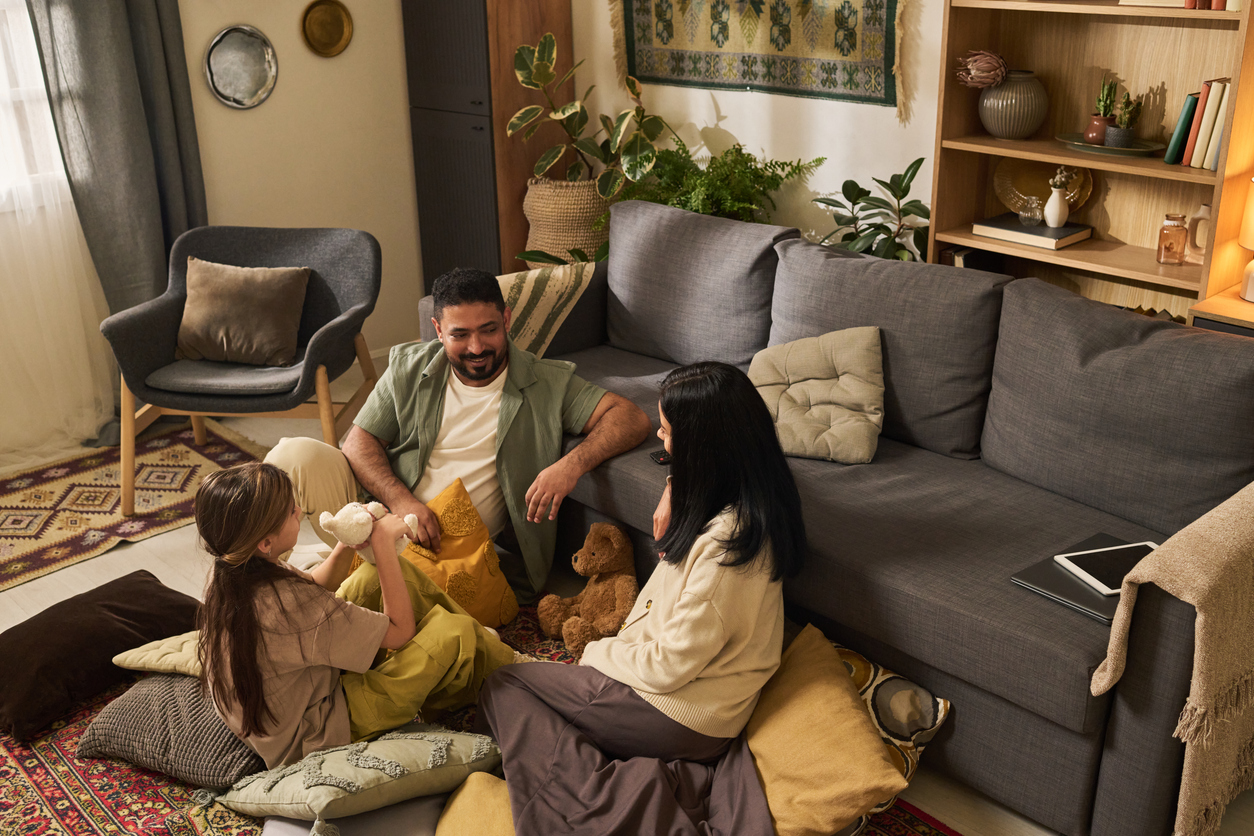
Our lives — and our children’s — are filled with constant stimulation. Every ping, like, reward, processed food snack and sugary treat gives a quick hit of dopamine, the brain’s chemical of pleasure and reward. But when busy family life runs on constant dopamine bursts — from screens to snacks to scrolling — true happiness begins to fade.
In this one-hour recorded workshop, we explore Dr. Robert Lustig’s groundbreaking insight into the difference between pleasure and happiness — and how understanding this simple but profound contrast can reshape the emotional climate of your home.
You’ll discover how everyday family interactions — morning routines, after-school check-ins, dinner conversations, even weekend activities — either fuel dopamine (short-term pleasure) or serotonin (long-term happiness). You’ll learn how marketing, media, and social platforms are expertly designed to keep families stuck in the dopamine loop — and how this cycle impacts focus, cooperation, empathy, motivation, and mental health.
Together, we unpack the addictive nature of dopamine-driven habits, the subtle ways they hijack our choices, and the steps parents can take to rebalance family life toward serotonin-based connection, meaning, and calm joy.
This previously hosted workshop is for parents of kids of all ages who want to feel more grounded, raise emotionally strong children, and bring back true happiness to family life.
 Jun 04, 2026
 Live Interactive Workshop
Age: All, Parent Wellbeing, School Age, Teens & Young Adults
Jun 02, 2026
 Recorded Workshop
Age: All, Parent Wellbeing, School Age, Teens & Young Adults
 May 28, 2026
Recorded Workshop
May 28, 2026
Recorded Workshop
Age: All, Mental Health, All, Parent Wellbeing, Prenatal & Infant, School Age, Teens & Young Adults, Toddlers & Preschoolers
 Mar 04, 2026
Recorded Workshop
Mar 04, 2026
Recorded Workshop
Age: All, Parent Wellbeing, Prenatal & Infant, School Age, Toddlers & Preschoolers
 Feb 16, 2026
Recorded Workshop
Feb 16, 2026
Recorded Workshop
Age: All, Parent Wellbeing, School Age, Teens & Young Adults
 Feb 24, 2026
Recorded Workshop
Feb 24, 2026
Recorded Workshop
Age: All, Parent Wellbeing, School Age, Teens & Young Adults