This workshop was hosted live on the date noted above, you can view the recording and download the handouts below.

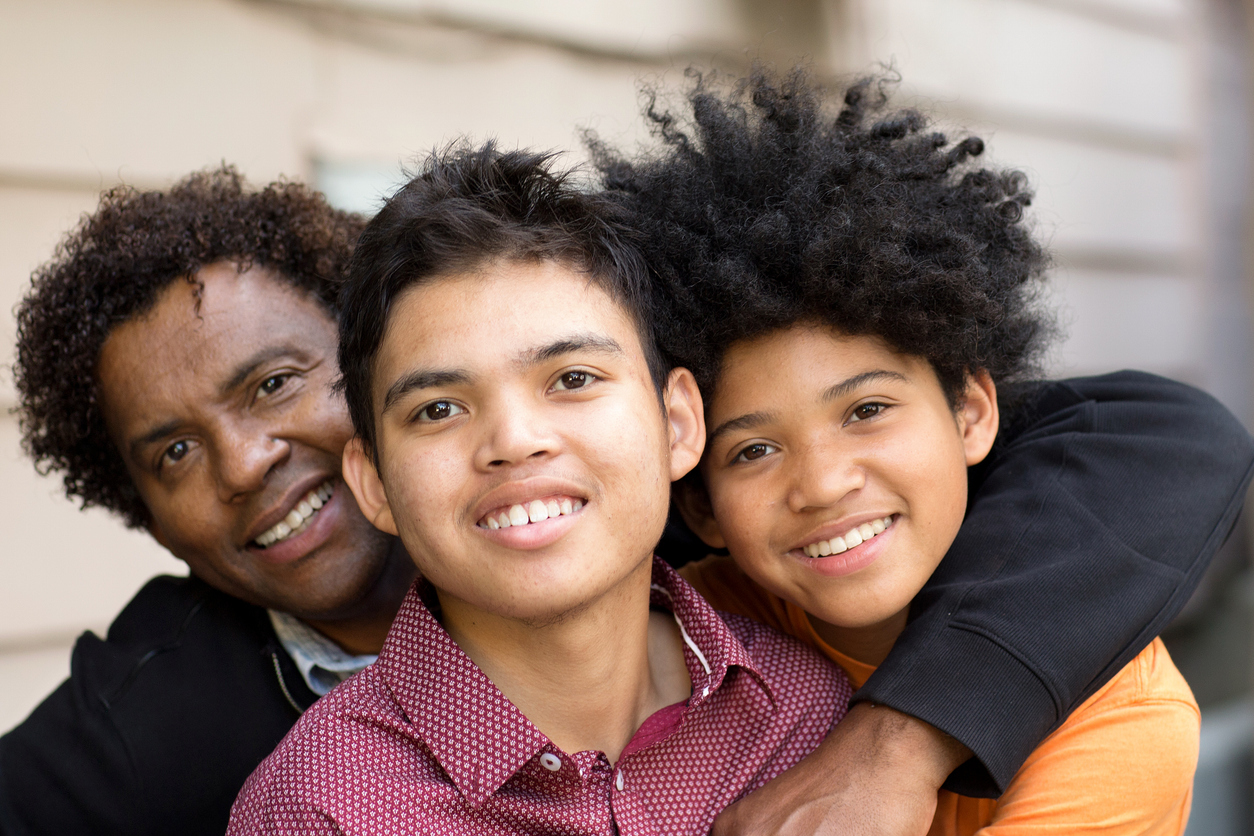
Raising boys is a journey filled with beautiful chaos. It’s the boundless energy, the muddy sneakers, the unexpected tenderness, and the big, stormy feelings that can leave you wondering if you’re getting any of this right. You see the good kid you know is in there, but sometimes it gets lost behind a wall of defiance, a sudden outburst, or the frustrating silence of a slammed door.
You’re not alone. In a world full of noise and distractions, it’s easy to feel like you’re losing your influence. You might be asking yourself:
This previously hosted session isn’t about finding the perfect technique to control behavior. It’s about something much deeper and more powerful: strengthening your connection. Because when your bond is secure, everything else gets easier. You become the safe harbor he can always return to, no matter how stormy the seas get.
 Sep 17, 2026
 Live Discussion with an Expert
Age: School Age, Teens & Young Adults



 Jun 04, 2026
 Live Interactive Workshop
Age: All, Parent Wellbeing, School Age, Teens & Young Adults
Jun 02, 2026
Recorded Workshop
Age: All, Parent Wellbeing, School Age, Teens & Young Adults
 May 28, 2026
Recorded Workshop
May 28, 2026
Recorded Workshop
Age: All, Mental Health, All, Parent Wellbeing, Prenatal & Infant, School Age, Teens & Young Adults, Toddlers & Preschoolers